Broken Endodontic Files: Causes, Implications, and Retrieval Strategies
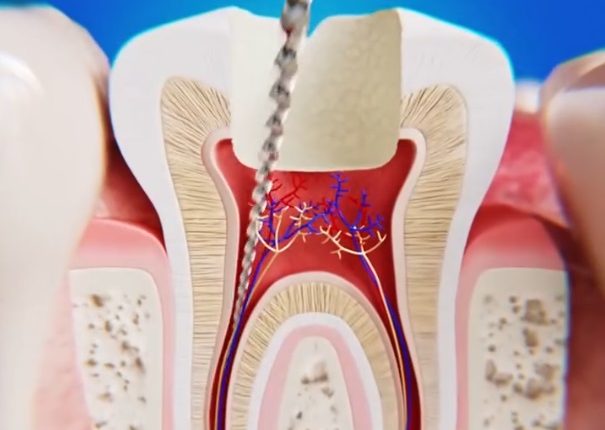
Understanding Reasons Behind Broken Endodontic Files Fracture of a rotary file (NiTi or stainless-steel instrument) is a distressing yet not uncommon complication. Most separations occur due to cyclic (flexural) fatigue and torsional overload (3). In curved canals, repeated bending causes micro-cracks that accumulate (cyclic fatigue), and if a file’s tip binds while the motor keeps turning, torsional stress quickly snaps it (3). Other factors include complex file geometry (large taper, variable cross-sections) and manufacturing defects (3). Even brand-new NiTi files can break without warning, so many clinicians recommend single-use to limit fatigue (3). Modern martensitic/heat-treated NiTi files are more flexible (better fatigue resistance) (3), but this can trade off torsional strength. Common causes of file fracture include overloading an undersized canal, insufficient glide path, or metal wear from repeated use (3). Cyclic fatigue: Repeated flexing in curved canals creates stress points that eventually crack an NiTi file (3). Torsional stress: If the tip jams (e.g., against the canal wall) and the motor turns, torque overload will shear the file (3). Instrument design & misuse: Aggressive tapers, off-center cross-sections, or applying excessive force can predispose any endodontic file to fracture (3). Manufacturing/use factors: NiTi instruments may have microscopic defects; repeated sterilization or reuse accumulates micro-fractures even if no visible wear is seen (3). … Continue reading Broken Endodontic Files: Causes, Implications, and Retrieval Strategies
