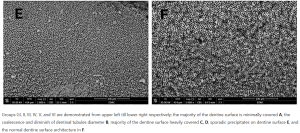
The Use of Laser in Precipitating Nano-MTA on Dentine Root Surface
The idea of using lasers in dentistry may sound like something from the future, but the future is now. A new technique is raising the standard for root canal therapy by using laser-assisted MTA precipitation to seal dentinal tubules more effectively than ever before. 💡 What Is Laser-Assisted MTA Precipitation? In this innovative approach, nano-sized particles of Mineral Trioxide Aggregate (nano-MTA) are introduced into the cleaned root canal system. Then, a 980-nanometer diode laser is applied to activate those particles. The result? The energy from the laser causes precipitation of nano-MTA, which bonds to the dentin walls, creating a highly effective seal. This process does more than fill space; it forms a fused, bioactive barrier that helps prevent bacterial reinfiltration, improving the long-term success of root canal treatment. 🔬 Why Better Dentinal Tubule Sealing Matters Root canal success depends heavily on the ability to thoroughly seal dentinal tubules. These microscopic channels can become a gateway for bacteria if left open or inadequately sealed. Traditional MTA is known for its biocompatibility and healing properties, but at the nano scale, its sealing potential increases dramatically. When combined with a 980-nm laser, the precipitation of MTA nanoparticles provides: Greater surface coverage Enhanced adhesion … Continue reading The Use of Laser in Precipitating Nano-MTA on Dentine Root Surface
