Posterior inter-proximal restorations are frequently complicated but much more satisfactory when achieved properly. And the way to a good proximal restoration starts from caries removal and cavity design, proper matrix selection and finally composite build-up.

Initial situation. The patient was suffering from sensitivity on sweets and difficulty in flossing between the teeth.

Rubber dam isolation
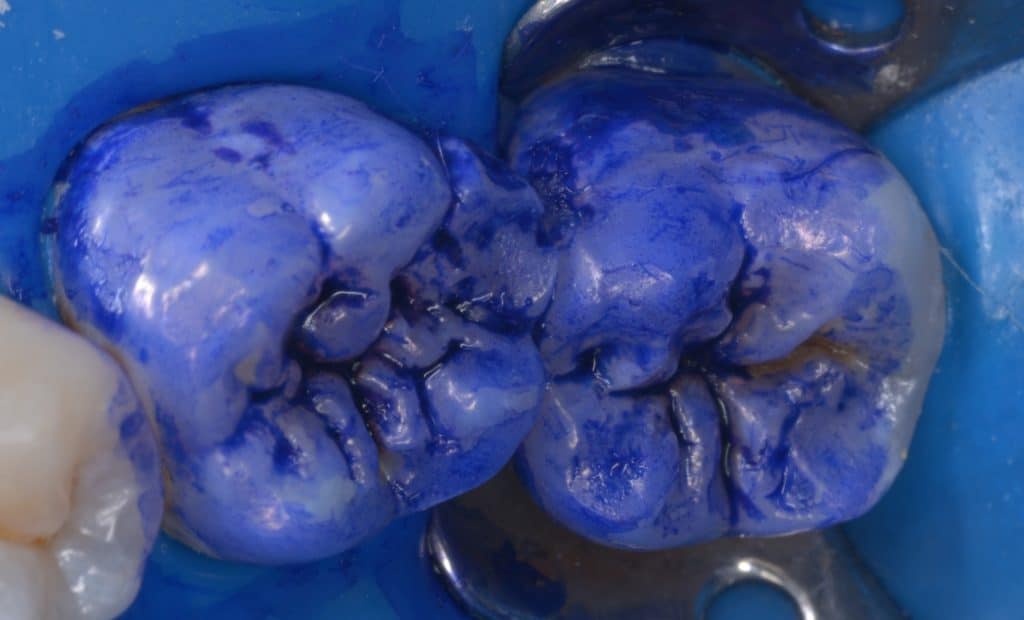
Bioclear dual-color disclosing solution
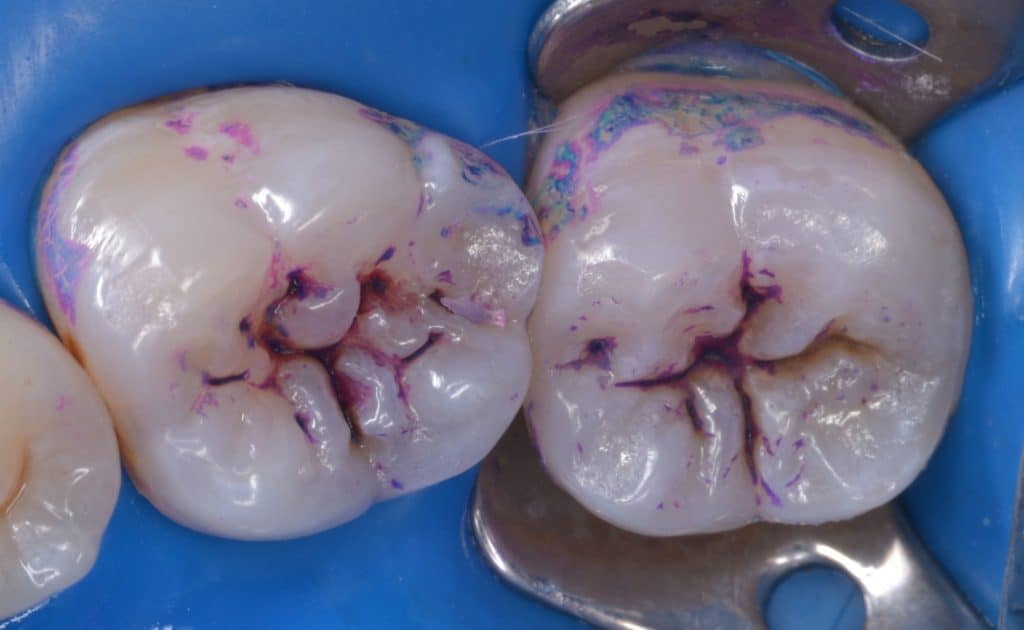
Biofilm
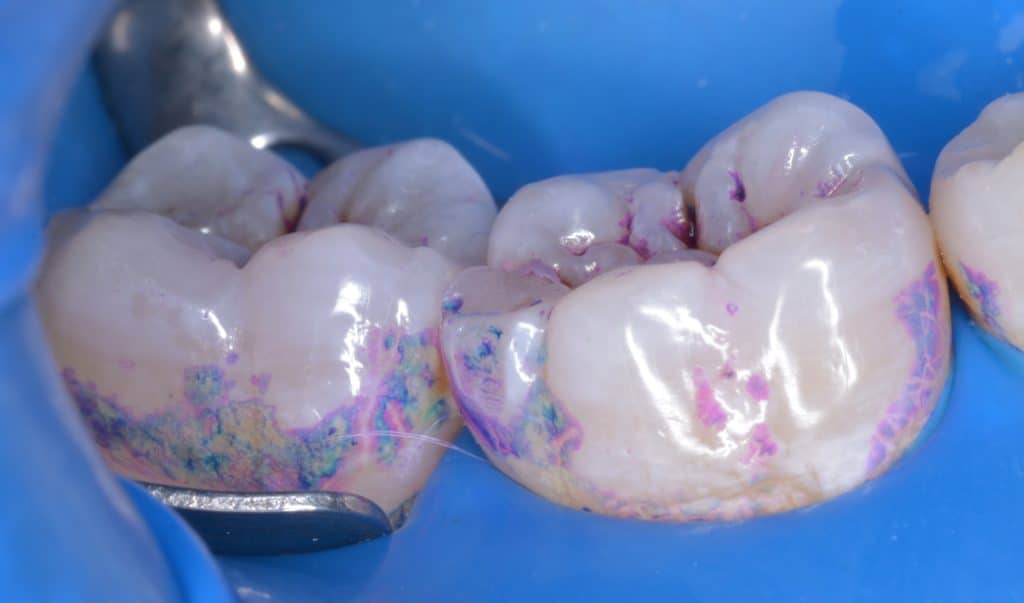
Biofilm

Sandblasting with sodium bicarbonate to remove bofilm

Biofilm Removed

Initial caries removal
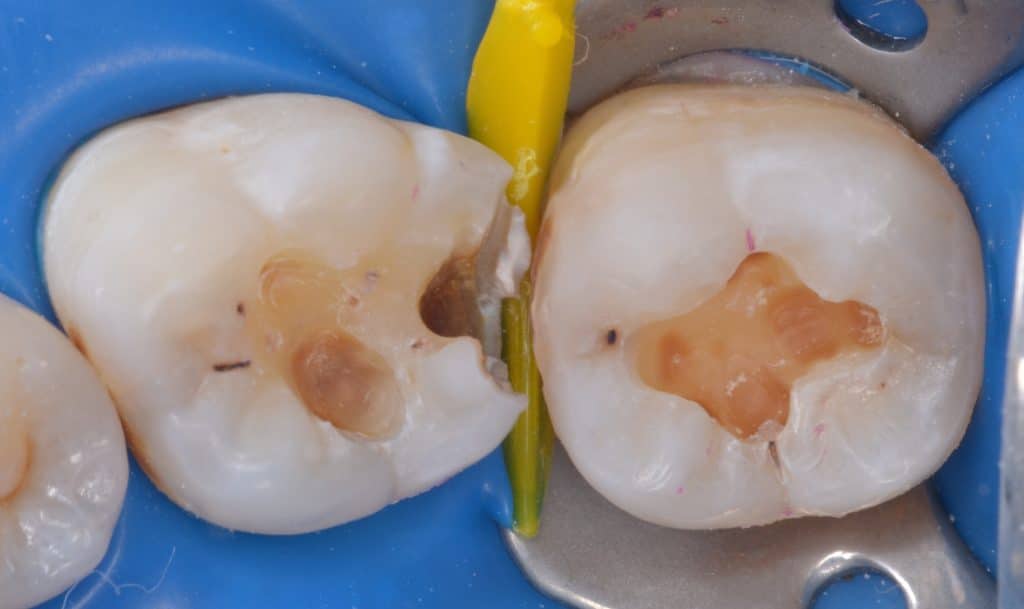
Opening Contact

Exposing hidden proximal caries
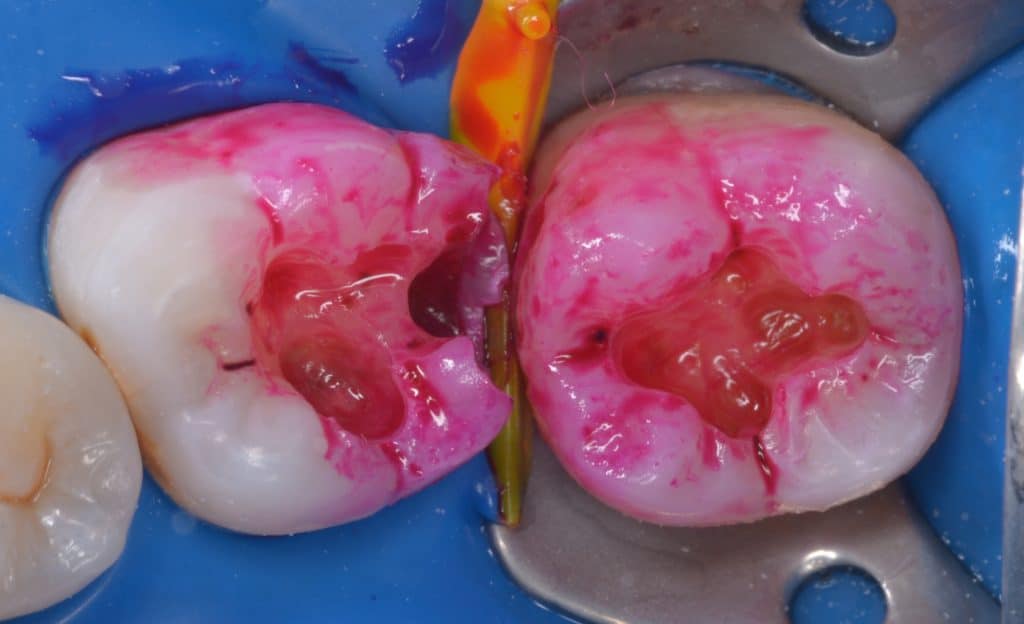
Caries detector die from ultradent

All stained areas showing caries
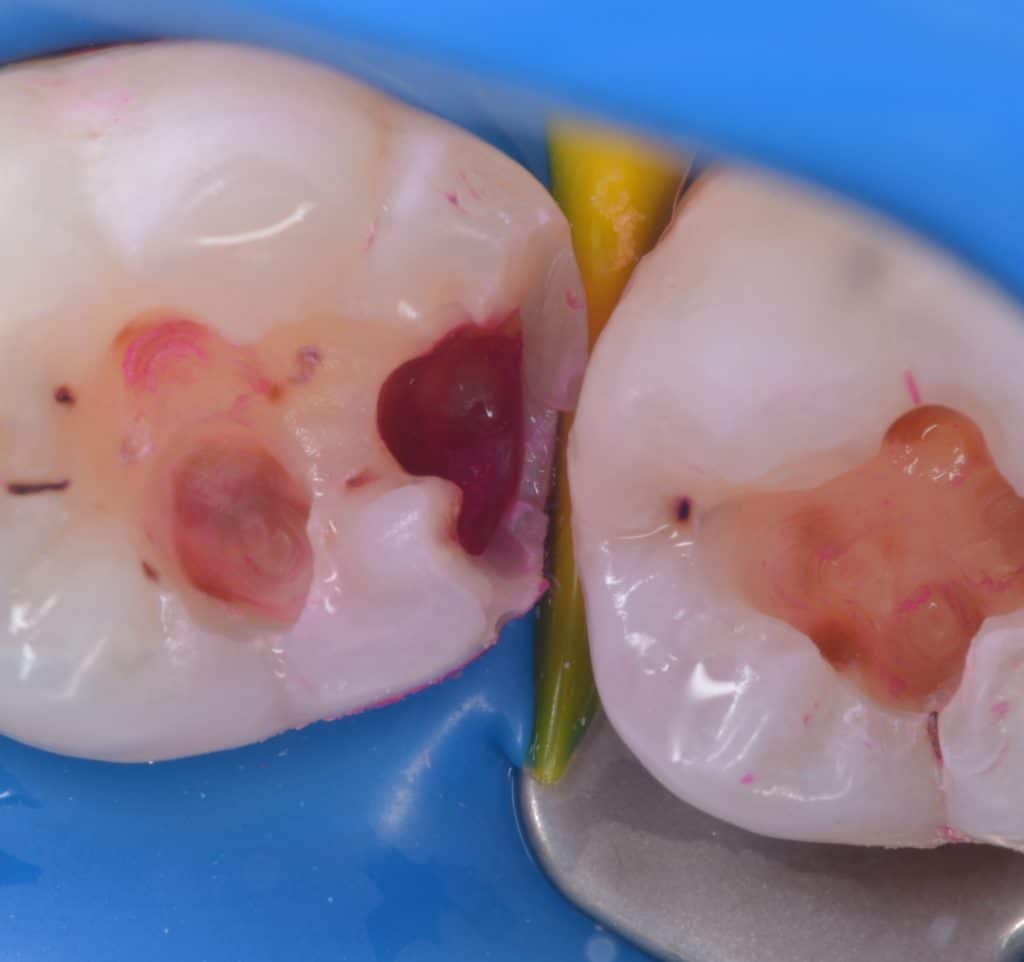
Deep proximal caries

all caries removed followed by cavity design

Slit cavitation

Immediate dentin sealing followed by a resin coat with bulk fill flowable composite

Refinement of enamel margins and cavity optimization

Restoring the cavity on tooth #47 with sectional transparent matrix from TOR-VM and using injection molding technique.

Composite spot weild

Finishing and polishing of the proximal wall

Saddle matrix from TOR-VM to restore proximal wall on tooth #46

Sealed margin

Matrix-Ring-Wedge assembly

after proximal walls build-up now we have simple class I cavities

after finishing the proximal wall

Dentin replacement using everX posterior composite

composite build-up Then the restorations and the teeth structure were blasted with sodium bicarbonate to remove oxygen inhibited layer and bond remnants to enhance the final polishing.

occlusal adjustments

after final polishing

Post-operative

Before and After

Before and After
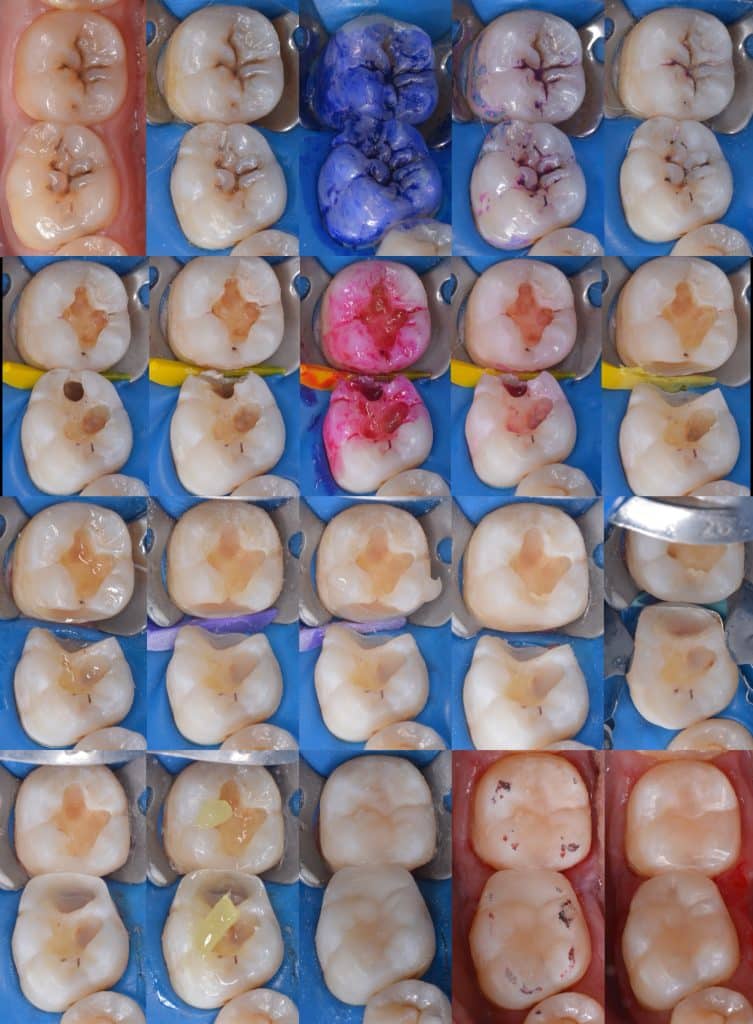
Workflow
Share on:
