Preserving pulp vitality is the main aim of conservative treatments, especially with immature teeth to avoid the unpredictable outcomes of pulpectomy with such thin roots. modern dentistry provided the clinicians with materials that facilitated the mission and encouraged the dentists to go towards minimally invasive protocols like partial pulpotomy. [1]
Regarding this clinical scenario, based on the clinical diagnosis, the radiographic findings and the amount of pulp damaged by caries, partial pulpotomy was the chosen treatment depending on the famous study by Cvek in 1978, when he reported that 96% of compromised teeth healed after removal of 2-3 mm of the inflamed pulp. thus, this found the possible solution for open apices, dental trauma, and teeth with developmental defects. [2]
Additionally, many factors should be considered when deciding to treat a tooth with Vital pulp therapy, first of all, is case selection regarding the condition of the tooth and whether a proper coronal seal could be achieved, secondly is control of bleeding and the use of disinfecting solutions like NaOCl which is vital for the outcome of the treatment, it can remove the coagulum, act as an organic solvent and a disinfectant. in addition to that is the dressing material. MTA has shown superior properties and outcomes compared to other capping materials, as it induces the proliferation of undifferentiated mesenchymal cells into odontoblast-like cells and the dentine bridge is formed faster and is thicker than that formed by calcium hydroxide capping material, [3]
regarding the final restoration, an indirect resin restoration was chosen because of the large cavity and weak cusps that needed capping. indirect restorations have better properties than conventional direct restorations, as the only layer that is polymerized is the luting material it shows less tensile stress on the odontoblastic processes, better wear resistance and is more aesthetic with proper proximal contacts and morphology, in addition to that it is less costly to the patient than indirect ceramics. [4]
[1] Partial Pulpotomy in Young Permanent Teeth: A Systematic Review and Meta-Analysis
by Nicole Camoni ,Maria Grazia Cagetti , Silvia Cirio ,Marcella Esteves-Oliveira , and Guglielmo Campus
[2] Randomized control trial comparing calcium hydroxide and mineral trioxide aggregate for partial pulpotomies in cariously exposed pulps of permanent molars
P. Chailertvanitkul, J. Paphangkorakit, N. Sooksantisakoonchai, N. Pumas1, W. Pairojamornyoot1, N. Leela-apiradee & P. V. Abbott
[3] New Approaches in Vital Pulp Therapy in Permanent Teeth
Jamileh Ghoddusi, Maryam Forghani, and Iman Parisayb
[4] Nandini S. Indirect resin composites. J Conserv Dent. 2010 Oct

9-year-old female patient presented with pain during eating and discomfort in the lower right permanent molar.

Complete caries excavation with pulp amputation and cessation of haemorrhage.

Placement of MTA over the pulp under isolation

MTA was placed over the pulp, with the absence of symptoms.

Placement of GIC as an interim restoration
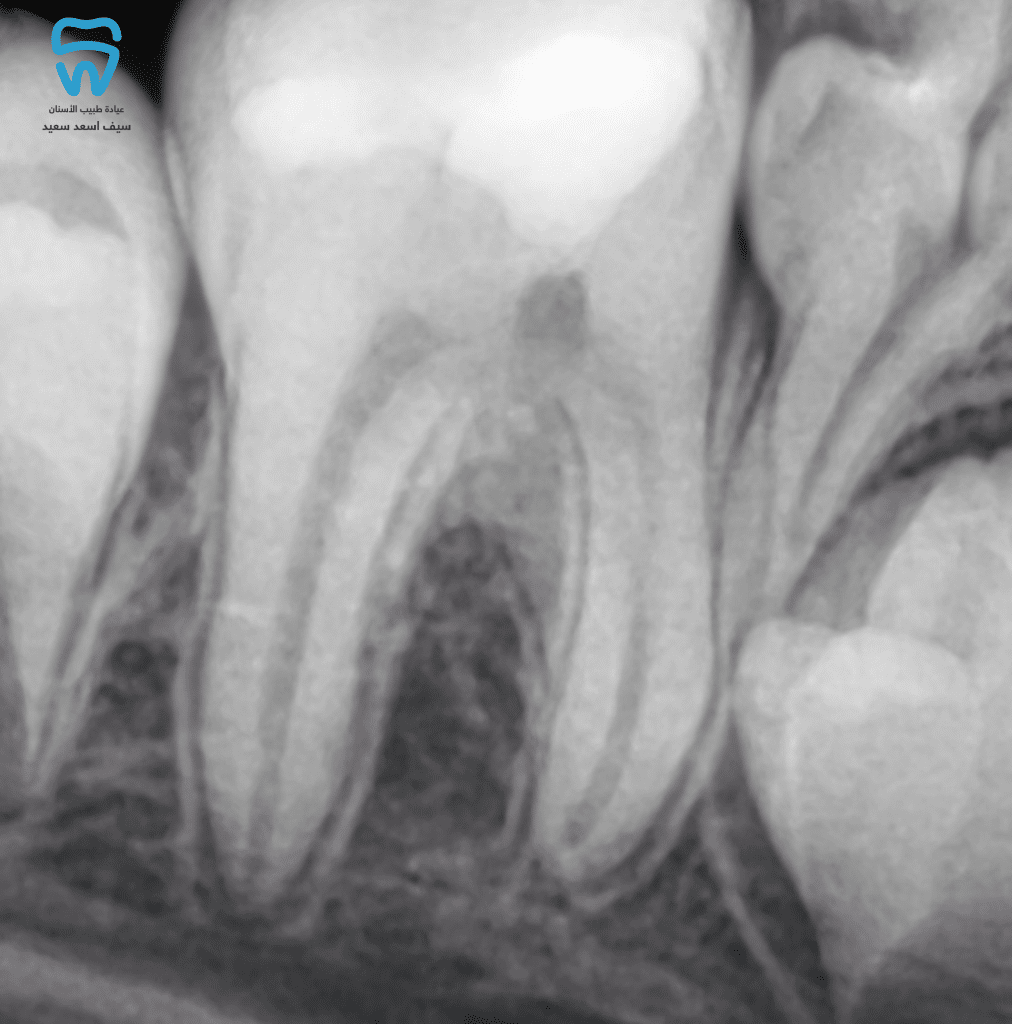
1 year later showing Root end completion

Prepared tooth for the placement of indirect resin restoration
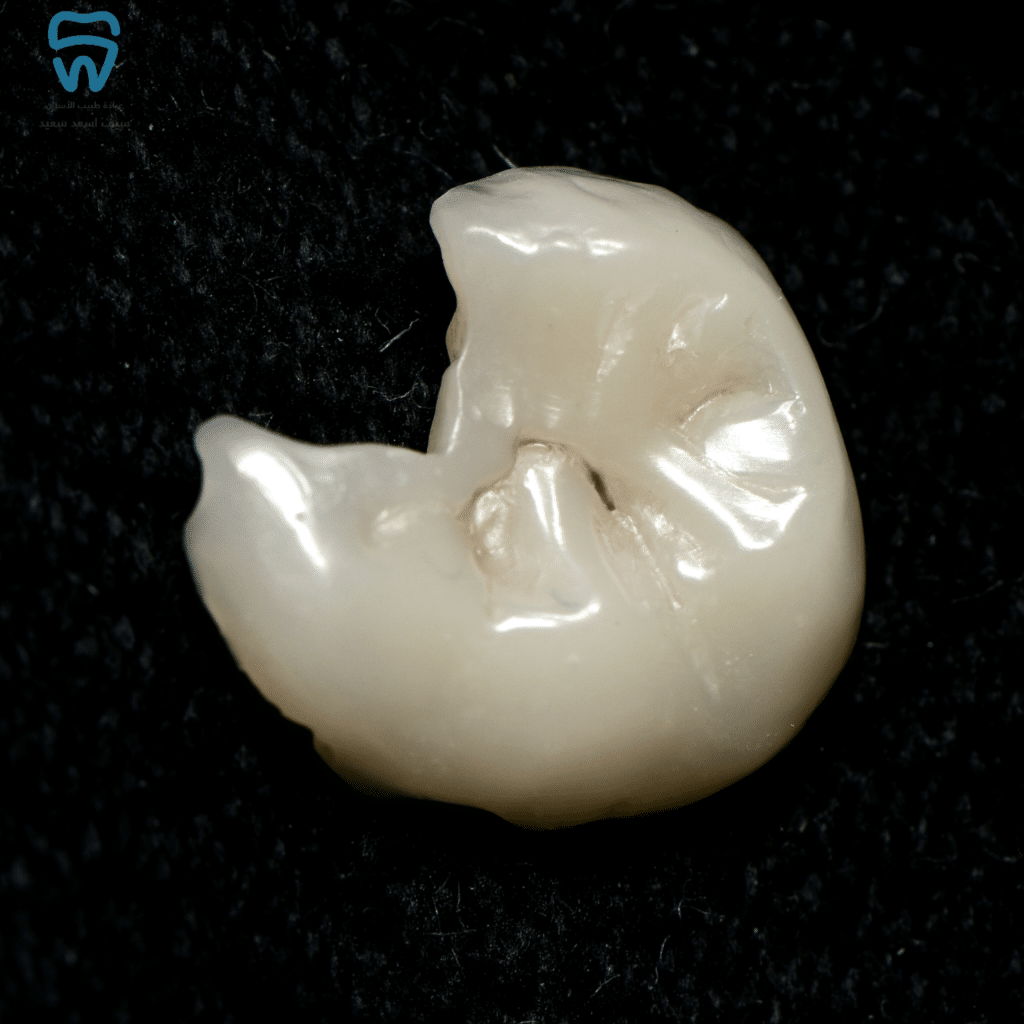
Finished and polished indirect restoration
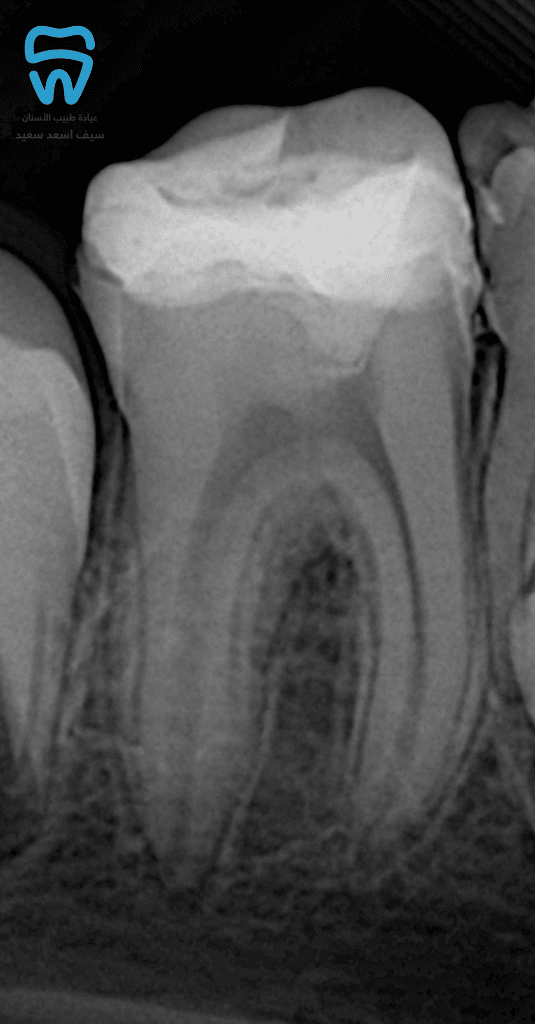
Radiograph immediately after placement of composite
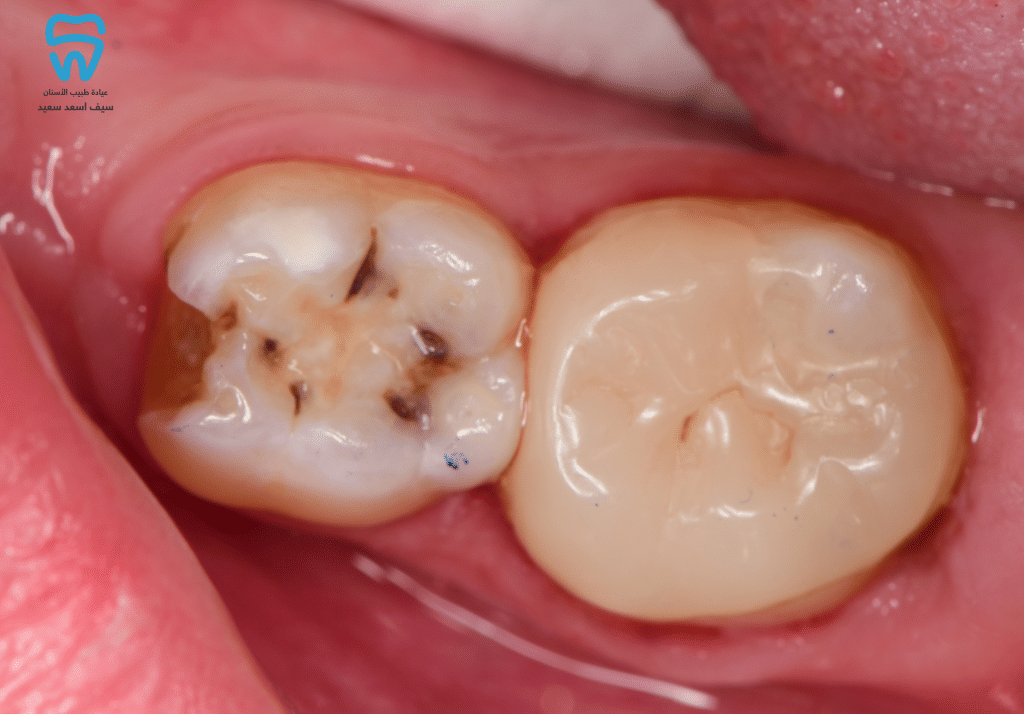
Luting of indirect restoration
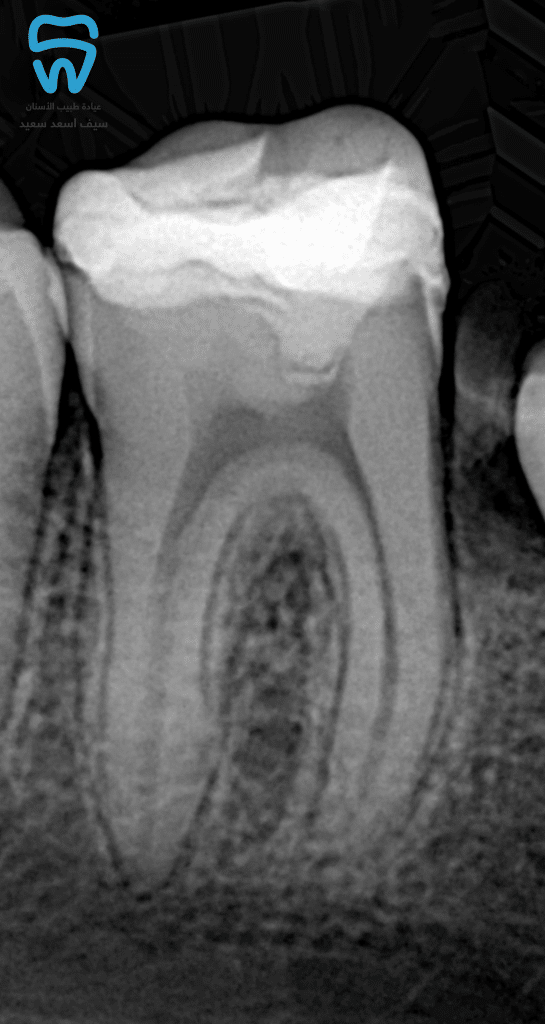
Radiograph showing the tooth 3 years later
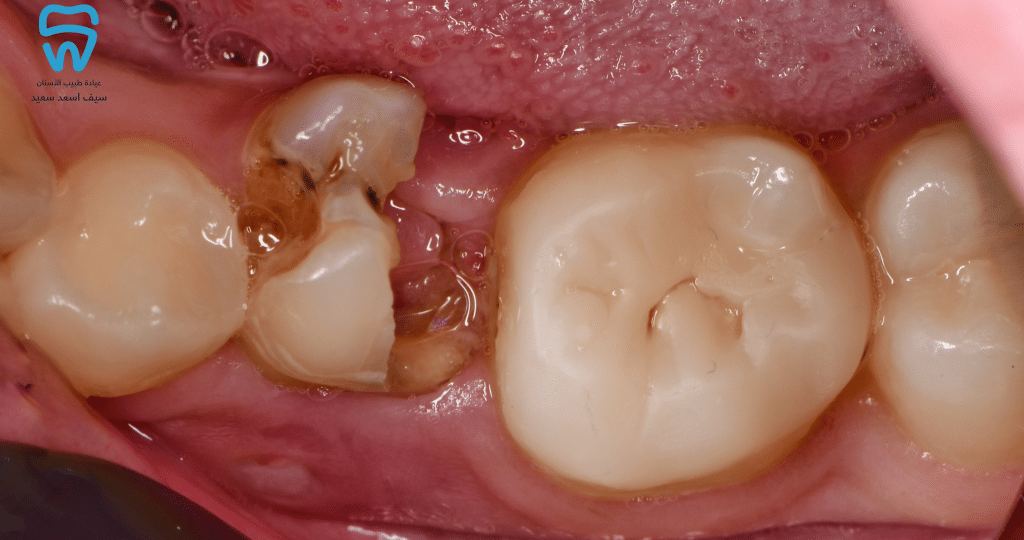
tooth condition 3 years later
Share on:
