Step by step
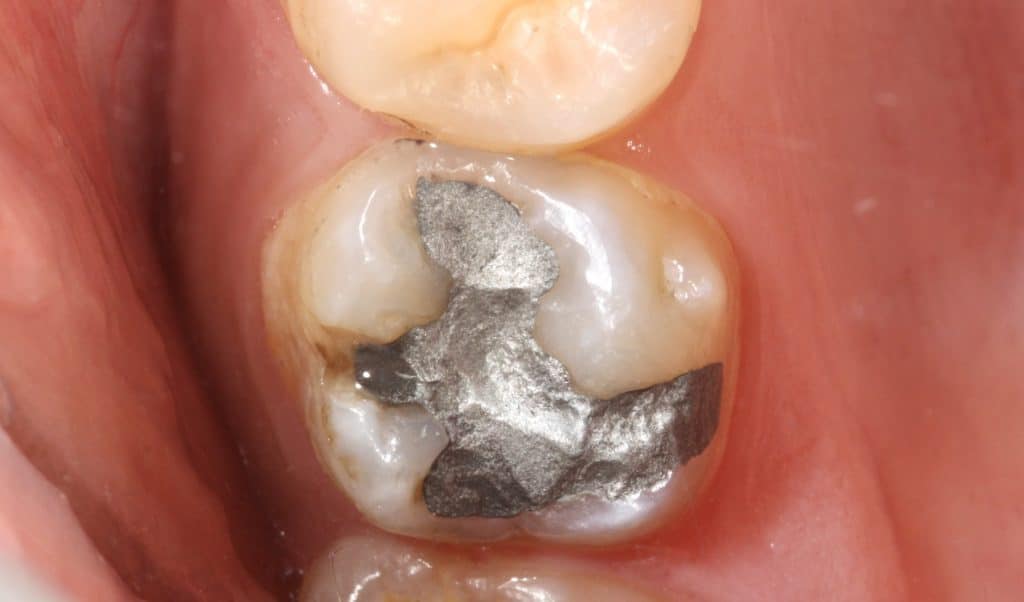
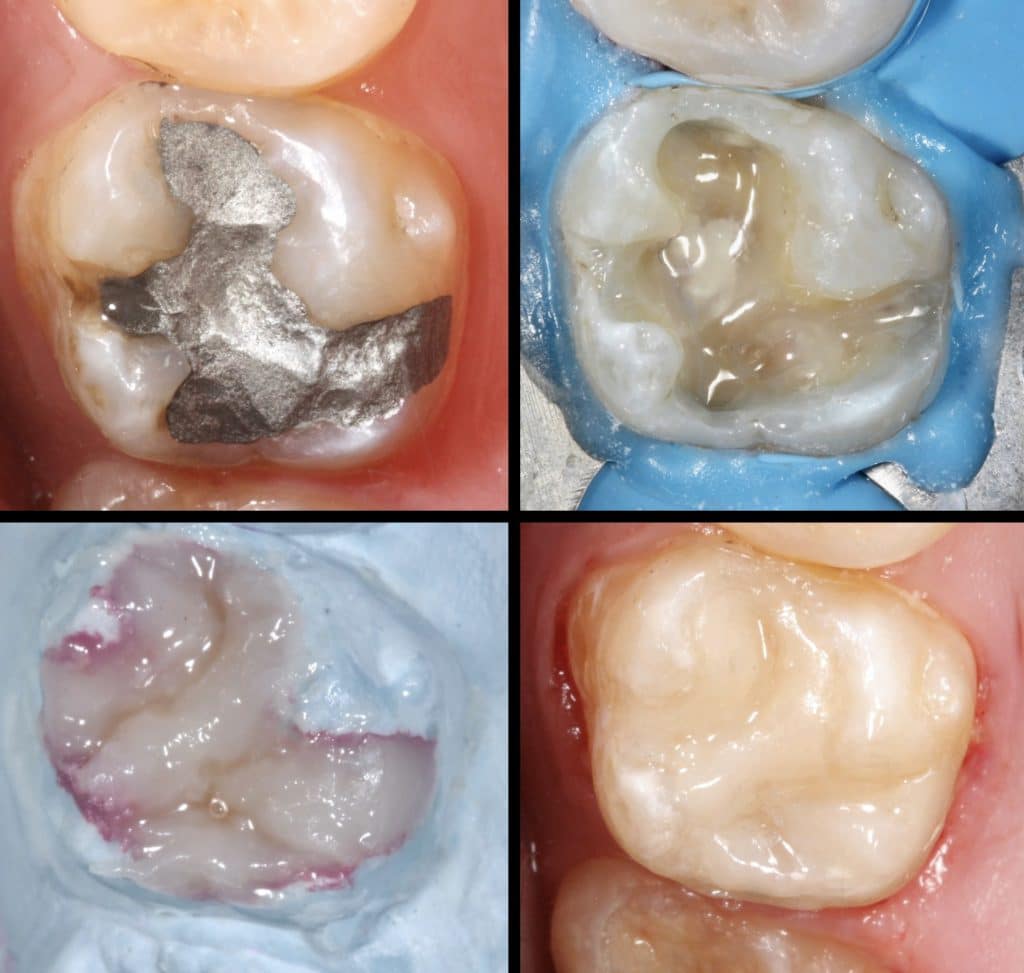
Initial view
Large amalgam restoration
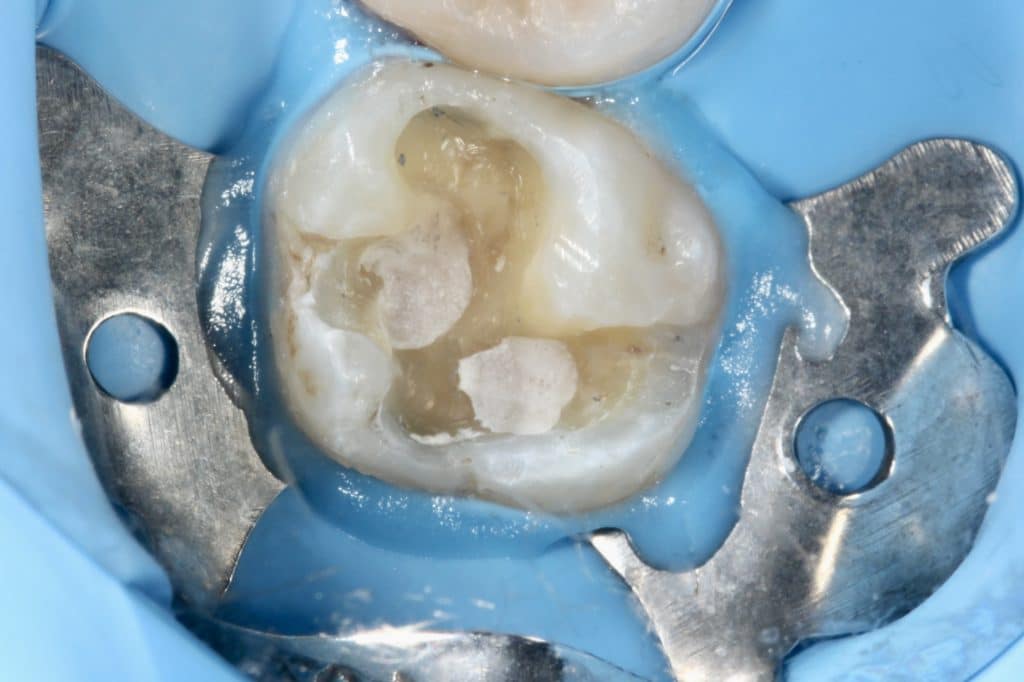
Good isolation fro good bonding
After amalgam remove
Dirty floor
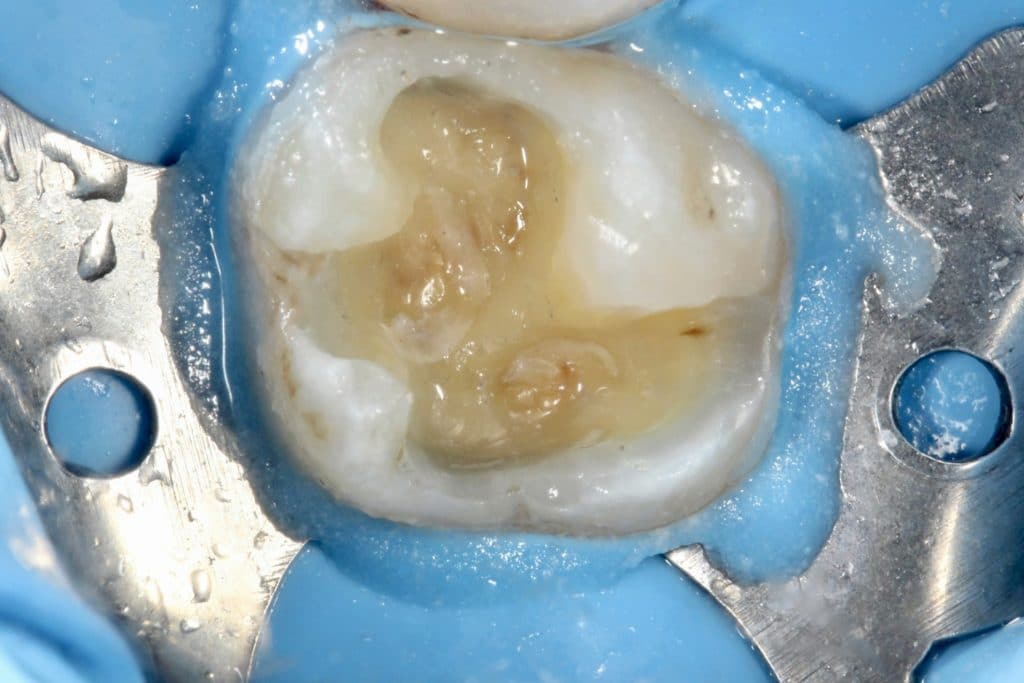
Clean the wall use excavator
And use carbides bure favourite due to
Formation a small thickness of smear layer
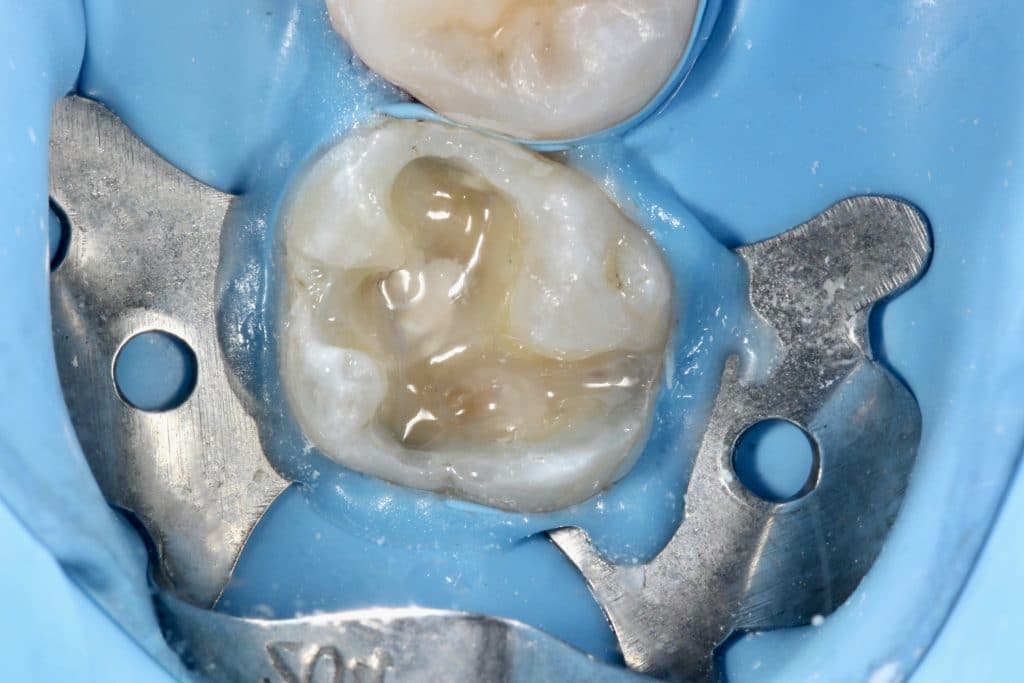
IDS & IDPC
- finishing the gingival seat by sharp excavator
- After etching dis infected the cavity by CHX
And dry it only
-
CHX is recommended to be used in case
Etching, drillind , heat generation in dentine
as those causes degeneration of collagen protein from hydroxyapatite which makes it vulnerable to the action of proteolytic enzymes such as MMPs … is there a recommendation to use CHX to prevent it degeneration
Bonding process
Enamel soo easy
But the dentine it’s challenging
Bonding
, universal bond
2 layer
Bond 👉🏻 rubbing 20 s remove excess 👉🏻 some air 👉🏻 light cure 20 s
Another one
Bond 👉🏻 rubbing 20 s remove excess 👉🏻 some air 👉🏻 light cure 20 s
Then ,
O.5 mm of RESIN COATING on dentin
One layer of universal bond it’s very weak And thickness of one layer about 10 micron
When application 2 layer - we elevated the thickness of adhesive layer to 20 micron
Still it’s weak point in universal bond
on the opposite side
Obtibond ( prime - adhesive) separate
Thickness of layer 80 micro
More strongly than universal
https://pubmed.ncbi.nlm.nih.gov/29040961/
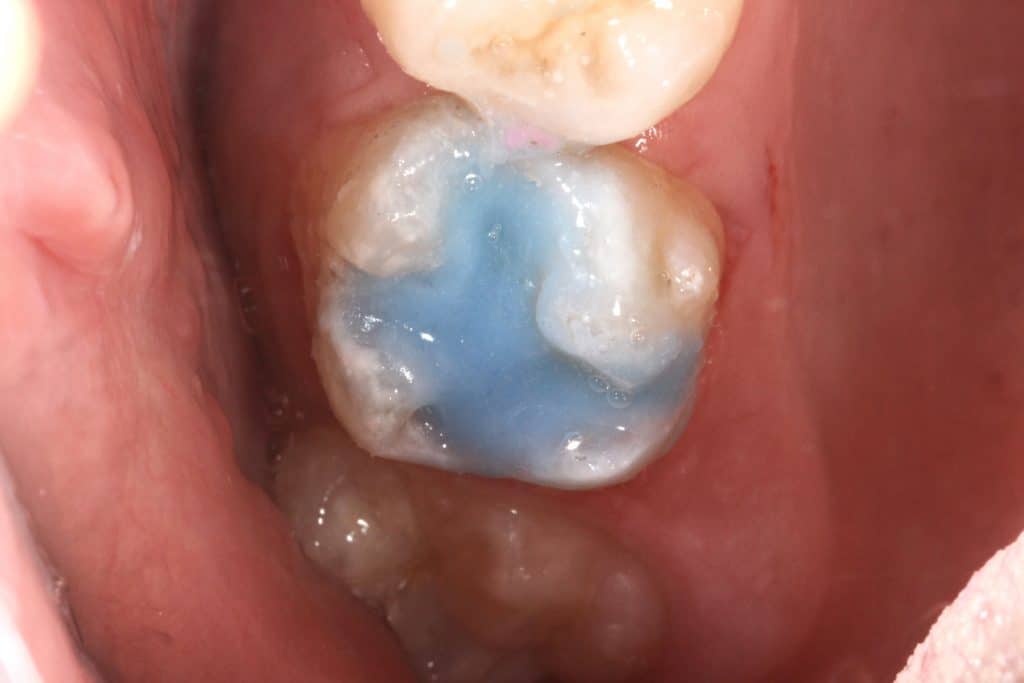
Temporization by liquidam
Apply separating medium between tooth and liquidam
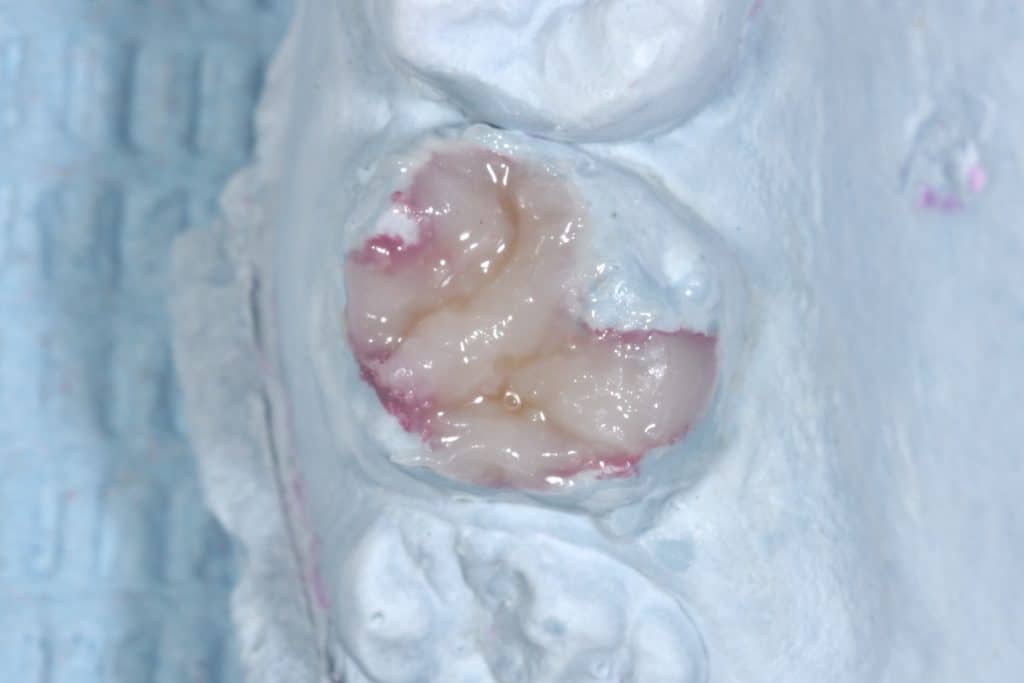
After cast preparation
Apply internal spacing use a nail polisher & remove the excess on margin with bonding brush
Then
First layer of highly filled flowable for better adaptations
Then layering technique
After that
Should be apply heat ttt
Results
- better mechanical properties
- higher monomer conversion
- increase wear resistance
- increase color stability
Use
Autoclave at 121 C for 6 m
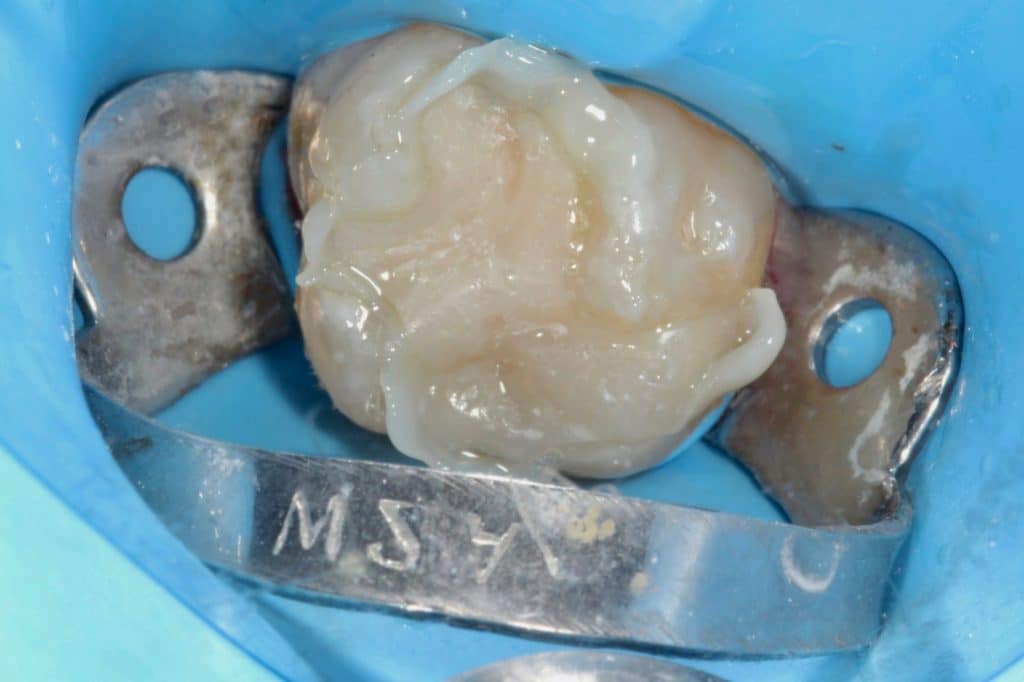
Cementation protocol
After cleaning the tooth from liquidam
White coated stone for finishing
And remove any excess of temporary
Phosphoric acid for 20 s just for debris cleaning
Apply the adhesive layer as wetting agent
Fitting surface of restoration better to ;
Roughness the fitting surface with diamonds bur at low speed
and cleaning with phosphoric acid for 5 s
Then apply adhesive layer
Then add preheat compsite
Benefits of pre heating compsite
1- ⬆️viscosity
2- ⬆️monomer conversion
3- better excess remove
4-⬇️polymerization shrinkage
Should be use micro hybrid compsite
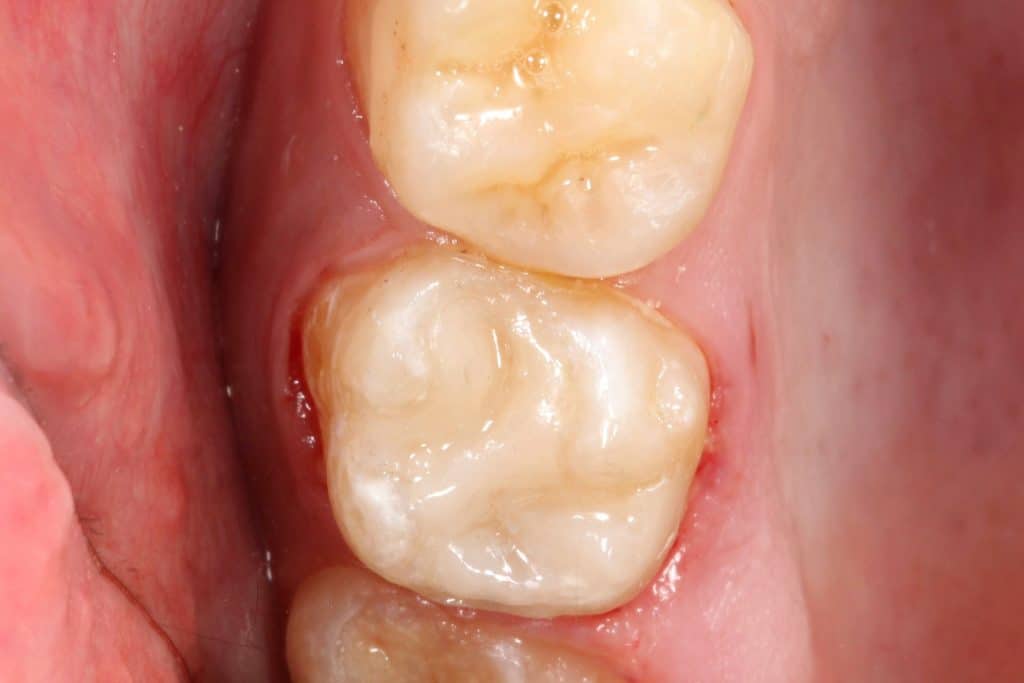
Finally after finishing and polishing
All in one
Share on:
