The idea of using lasers in dentistry may sound like something from the future, but the future is now. A new technique is raising the standard for root canal therapy by using laser-assisted MTA precipitation to seal dentinal tubules more effectively than ever before.
In this innovative approach, nano-sized particles of Mineral Trioxide Aggregate (nano-MTA) are introduced into the cleaned root canal system. Then, a 980-nanometer diode laser is applied to activate those particles. The result? The energy from the laser causes precipitation of nano-MTA, which bonds to the dentin walls, creating a highly effective seal.
This process does more than fill space; it forms a fused, bioactive barrier that helps prevent bacterial reinfiltration, improving the long-term success of root canal treatment.
🎼 The Way Beethoven Used His Teeth to Hear His Music
Root canal success depends heavily on the ability to thoroughly seal dentinal tubules. These microscopic channels can become a gateway for bacteria if left open or inadequately sealed. Traditional MTA is known for its biocompatibility and healing properties, but at the nano scale, its sealing potential increases dramatically.
When combined with a 980-nm laser, the precipitation of MTA nanoparticles provides:
Enamel Regeneration Research : The Future Of Smiles
That’s the advantage of laser-assisted MTA precipitation: better sealing, better outcomes.
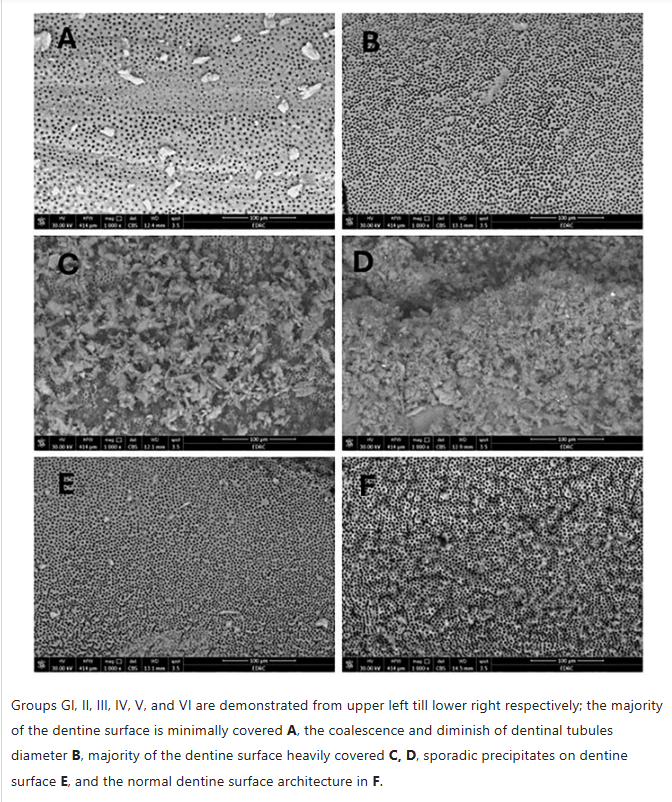
In a recent study, 60 extracted teeth were divided into six groups and treated with various combinations of nano-MTA and diode laser energy. The groups using laser-assisted MTA precipitation, especially at 4 watts, showed the most complete sealing of the dentin surface.
Key findings:
-
Nano-MTA + 4W laser: Over 95% of tubules sealed
-
Nano-MTA + 2W laser: Approximately 83% sealed
-
Water-only control: Less than 47% sealed
Uncovering The Hidden Third Set of Teeth By Dr Takahashi
The conclusion is clear: laser-assisted MTA precipitation significantly improves tubule sealing compared to conventional methods.
📸 Imaging the Results: Less White, More Seal
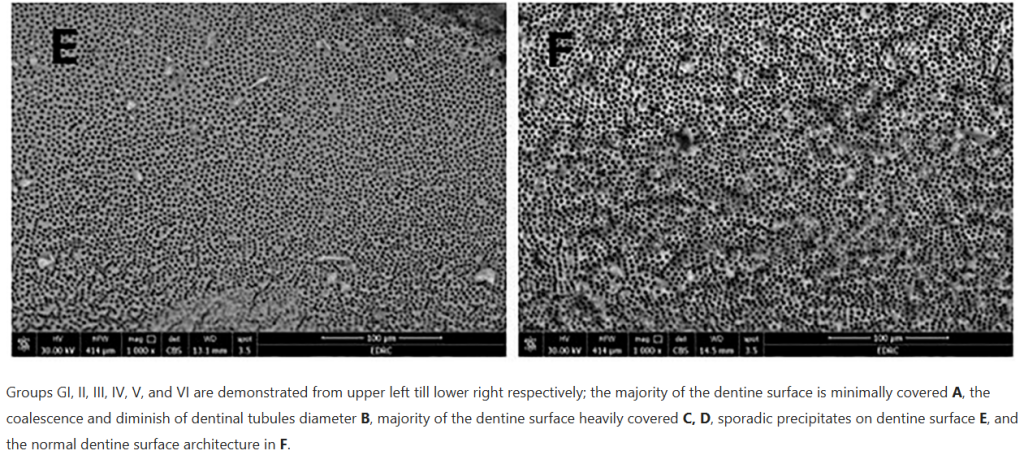
Using Image-J software, researchers analyzed dentin cross-sections. Fewer white pixels in the images meant more complete coverage. The group receiving 4W laser with nano-MTA had only 3.4% open tubules, compared to 53.4% in the control group.
Such visual proof underscores the clinical impact of laser-assisted MTA precipitation.
The 980-nm diode laser plays a vital role in enhancing the performance of nano-MTA. It’s controlled thermal energy:
-
Induces precipitation of MTA particles
-
Fuses the particles to dentin, increasing retention
-
Creates a bioactive layer that resists leakage
Think of it as a protective, laser-activated shield that tightly seals the canal walls.
-
Exceptional sealing of dentinal tubules
-
Reduced risk of post-treatment infection
-
Improved adaptation of MTA to irregular surfaces
-
Enhanced long-term success of root canal therapy
-
Minimally invasive with quick application
This technique doesn’t just sound advanced, it delivers real clinical benefits that elevate the quality of care.
🧬 Why MTA Nanoparticles Work Better with Lasers
Nano-MTA already has the advantage of a small particle size and a greater surface area. But it’s the laser-assisted precipitation process that maximizes these properties by forming a more complete, stable seal.
The synergy between laser energy and nano-MTA ensures that more tubules are closed and more pathways for reinfection are eliminated.
🛠️ Looking Ahead: The Future of Endodontics
This research points to exciting new directions:
-
Tailoring laser power for optimal clinical performance
-
Exploring alternative nano-formulas for precipitation
-
Real-world clinical trials on patient outcomes
As these technologies evolve, laser-assisted MTA precipitation could become a standard part of modern endodontic protocols.
😁 Final Thoughts: A New Era for Root Canal Therapy
Laser-assisted MTA precipitation is more than a scientific concept; it’s a practical innovation that brings real improvements in patient outcomes. Maximizing the seal within the root canal system offers longer-lasting protection and more predictable success.
So the next time your dentist mentions using lasers during your root canal, you’ll know it’s not just high-tech—it’s high-quality care.
Reference :
Assessment of LASER- induced precipitation of MTA-nanoparticles on root canal dentin surface
By Mohammed Hamdi Atteia, Abeer Ahmed Saba & Eman M. Fouad
Laser-Assisted nano-MTA Precipitation on Root Canal Dentin
Laser-Assisted nano-MTA Precipitation on Root Canal Dentin
Share on:
