An old female patient presented to the clinic complaining ” that food always get stuck between her teeth when she eats and that she cannot floss properly
And that she noticed always having a bad breath” in her own words, and that she began to notice that she always bleeds when she brushes her teeth.
After meticulous clinical and radiographic examination, we decided to change those old PFM crowns, and to check for the underlying teeth structure for any caries before taking a new impression and fabricating new crowns.
After old crowns removal I decided to change the core material on tooth #45 and leave the old core material on tooth #46 as there was no caries detected. yes, it is a color of a restoration I don’t use and a way of reinforcement that I don’t use nowadays, yet the teeth themselves were holding well.
Teeth #44 & #45 were built using flowable composite SDR, Ever-X posterior both flowable and packable and the final layer of packable paste composite of Neospectra LV A2 from dentsply sirona.
Teeth preparation took place using the BOPT technique, to: 1- preserve as much structure as we can and to 2- try to maximize gingival health around the fabricated crowns and fight any possible future recession considering the patient’s age.
Same day scan was taken after managing the gingival tissue properly using double retraction technique, using 00 retraction cord ( ultrapak E from Ultradent ) soaked in a hemostatic agent ( Viscostat clear ) as the first retraction cord embedded in the sulcus, to both expose as much margin and tooth structure as possible without compromising the biological width, and I use size 1 retraction cord above ( ultrapak E from Ultradent ) soaked in a hemostatic agent as well ( Viscostat clear ).
But the outer retraction cord, size 1 was removed before taking the digital impression using PrimeScan IOS from DentSply Sirona.
Then temporary crowns were fabricated chair side using a silicone index that was taken pre-operatively and adjusting the temporary crowns to the desired future gingival level and finishing and polishing the margins very well.
Here I used the final zirconia crowns after receiving them for more adequate temporization with cementing them temporarily using temporary cement DentoTemp from ITENA.
although I communicate with the lab and fabricate the crowns in thin margins, I prefer to finish the crowns myself using finishing zirconia burs and discs, and this helps me ensuring that crown margins are thin, in the desired place where I want them to be, and that there is no glaze around the margins, only well finished and polished crowns margins.
I followed up the gingival healing for 3 months before cementing the crowns permanently.
Gingival health showed great healing, keratinized tissue formation, gingival thickening both buccally and lingually and great papilla formation.
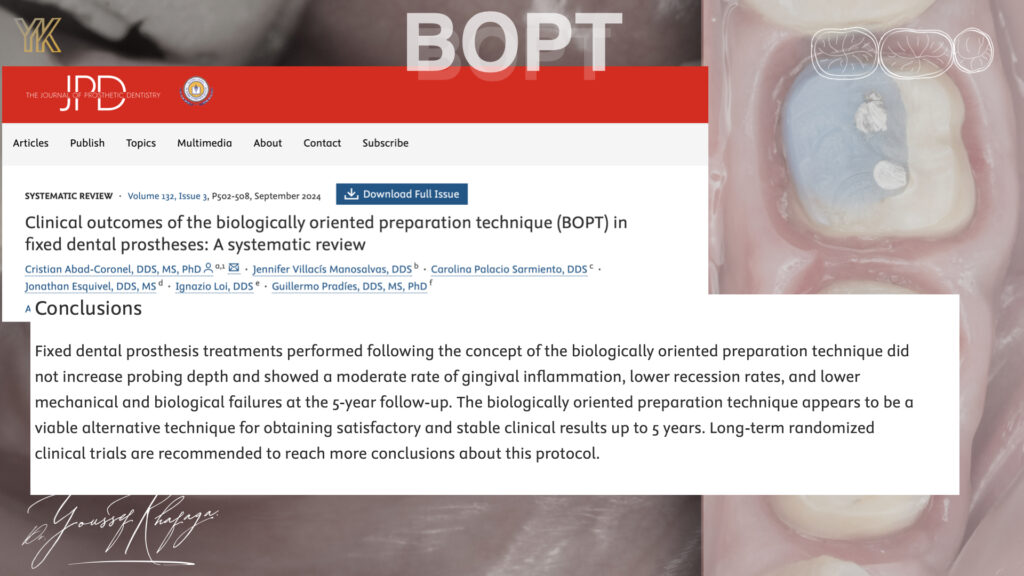
The evidence behind the work:
1-
- Abad-Coronel C, Villacís Manosalvas J, Palacio Sarmiento C …
Clinical outcomes of the biologically oriented preparation technique (BOPT) in fixed dental prostheses: A systematic review
The Journal of Prosthetic Dentistry, 2022; 132, 502-508
- Agustín-Panadero R, Mazanek L, Loi I …
Periodontal outcomes and digital volumetric variation following restorations using the biologically oriented preparation technique (BOPT)
The Journal of Prosthetic Dentistry, 2025; 135, 939-945
- Afaf Al-Haddad, Noor Addeen Abo Arsheed, Ang Yee, Shivani Kohli,
Biological oriented preparation technique (BOPT) for tooth preparation: A systematic review and meta-analysis,
The Saudi Dental Journal,
Volume 36, Issue 1,2024.
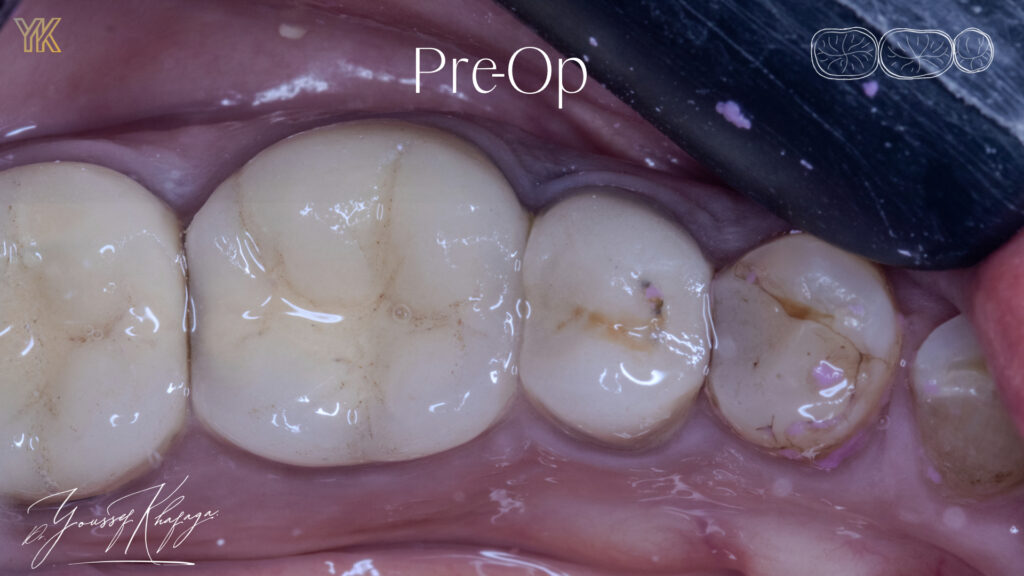
Pre-Op situation occlusal view, showing bad crowns contour and contacts
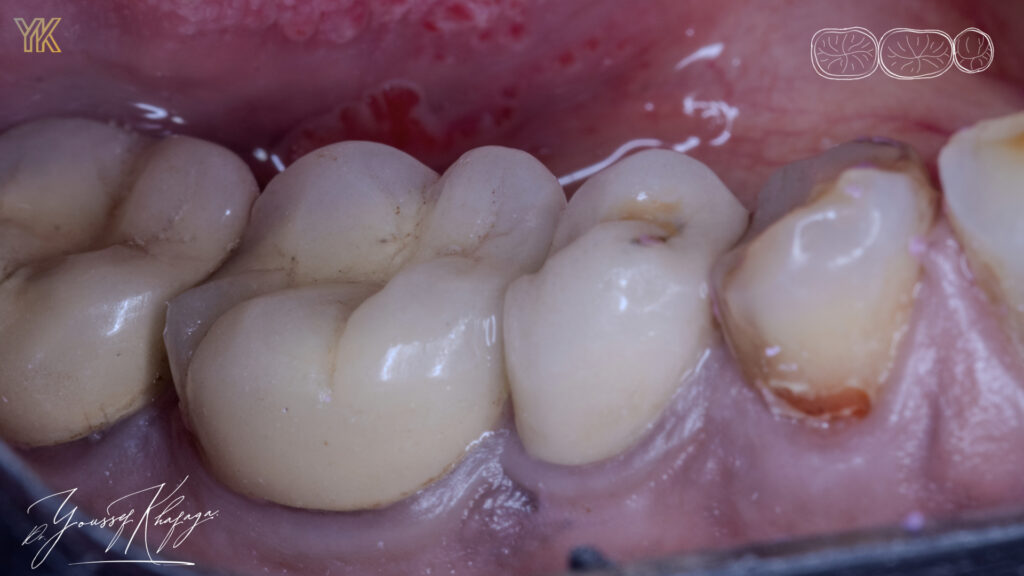
Pre-Op side view, rolled inflamed gingival margins around the old PFM crowns
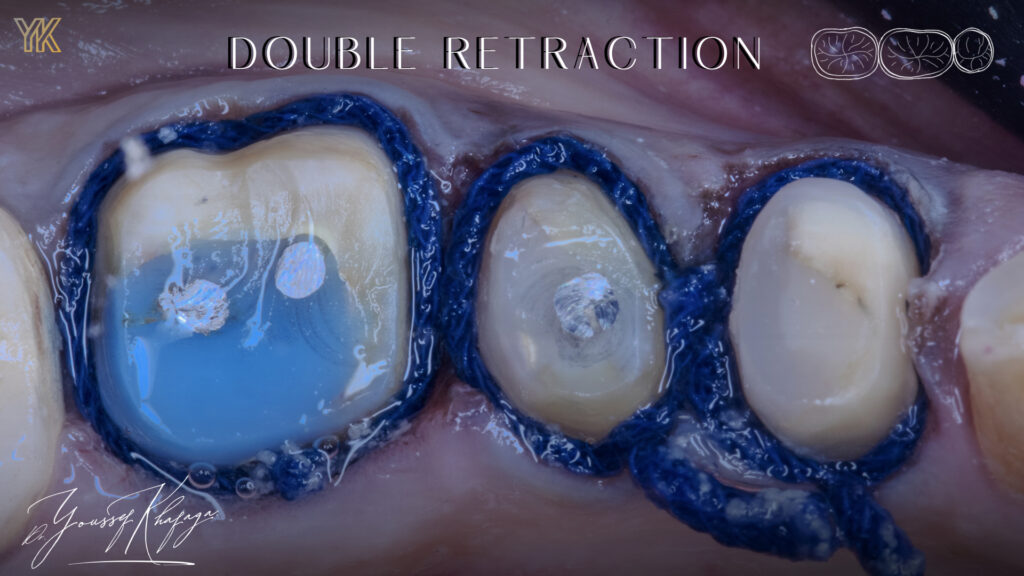
After build-up and reinforcements, size 1 retraction cord to retract the gingiva horizontally
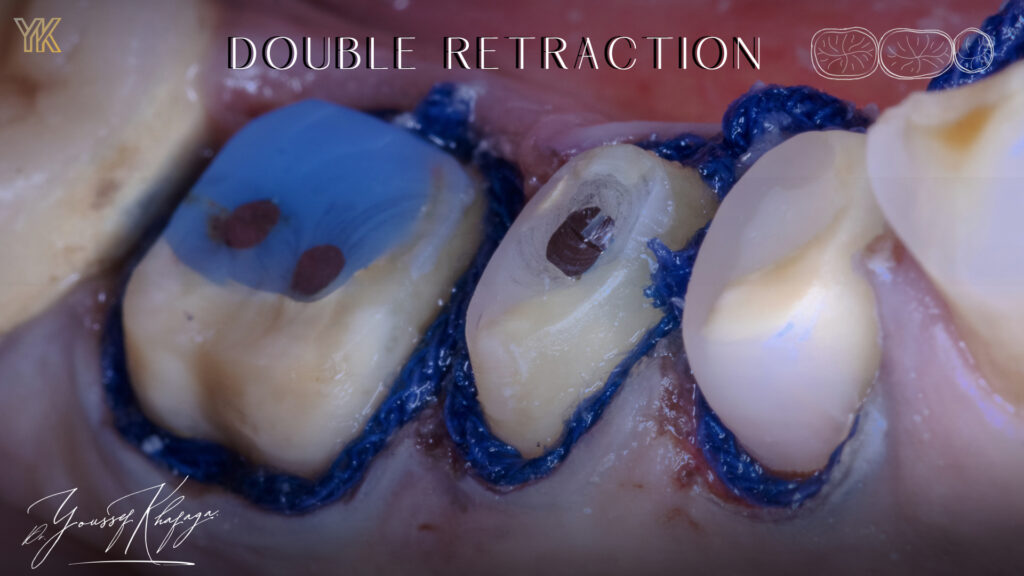
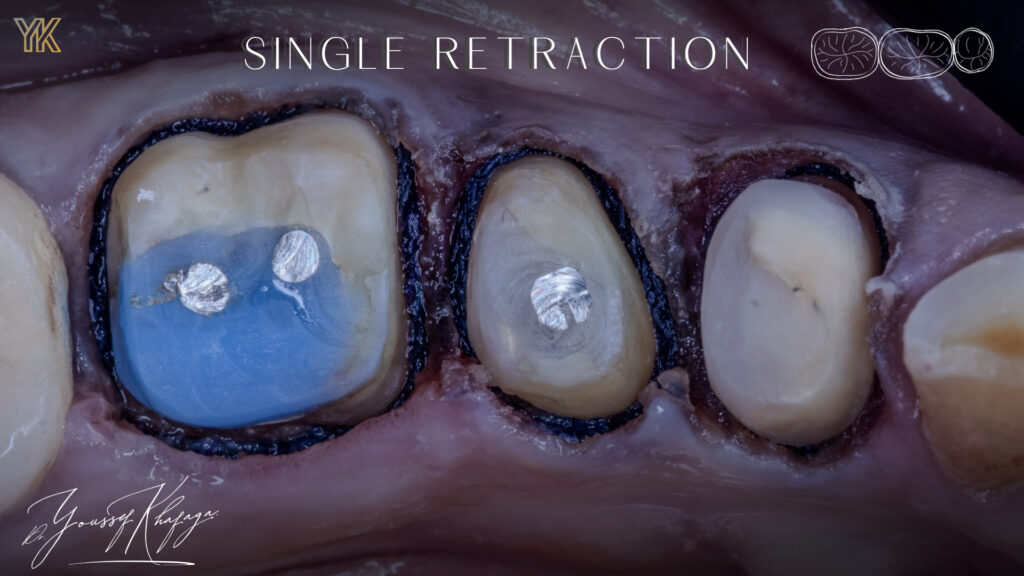
the first 00 retraction cord embedded in the sulcus, full margin exposure
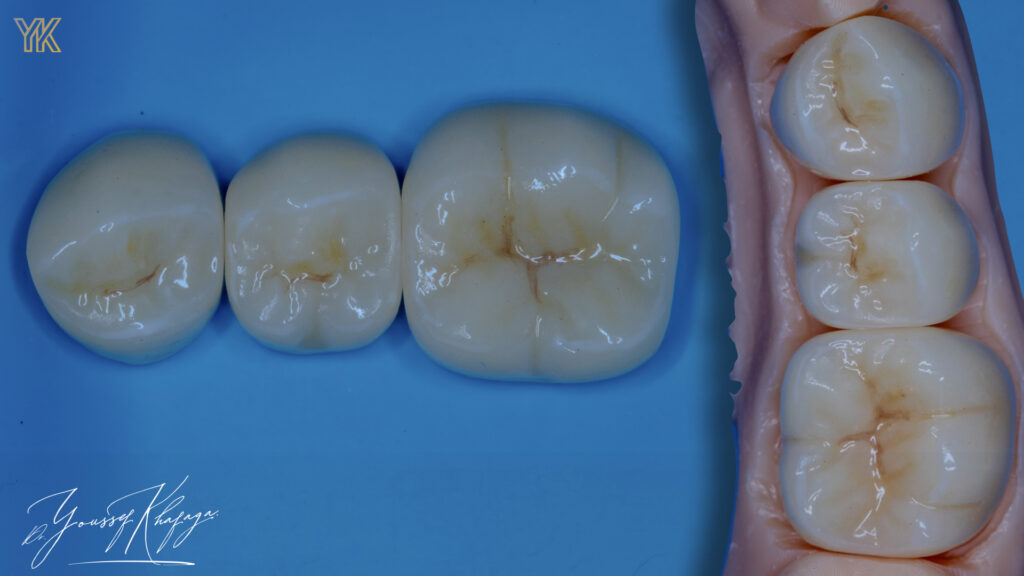
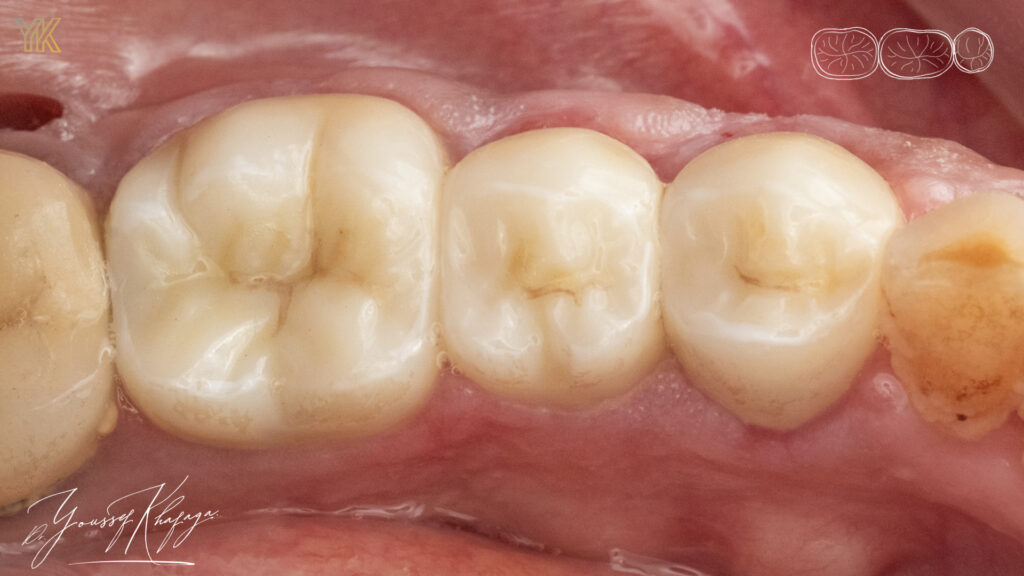
30 days after delivery, here I cemented the zirconia crowns temporarily with temporary cement DentoTemp ( ITENA )
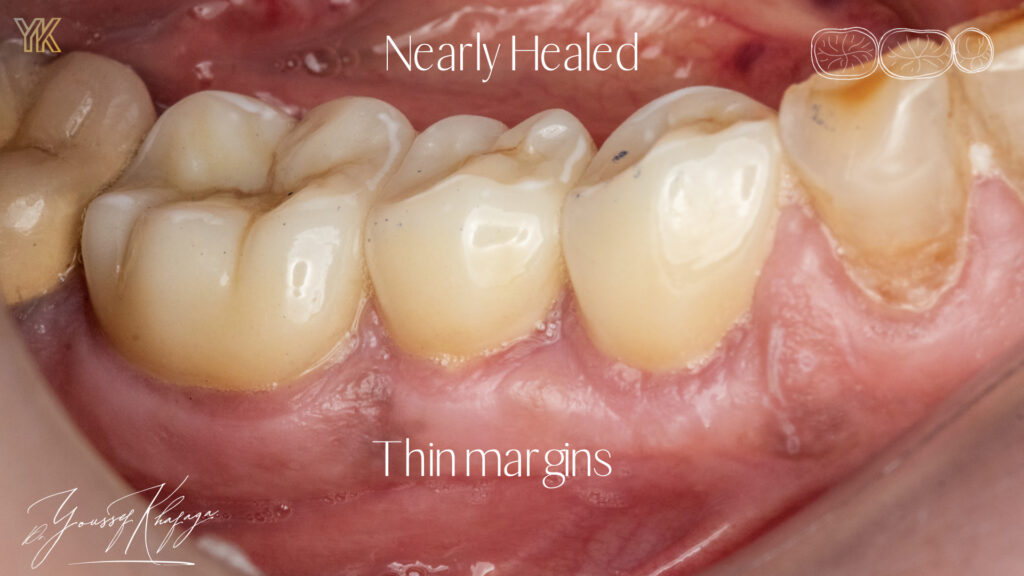
After 1 month of temporary cementation, the gingiva already showing very promising healing and maturation around the newly fabricated zirconia crowns,
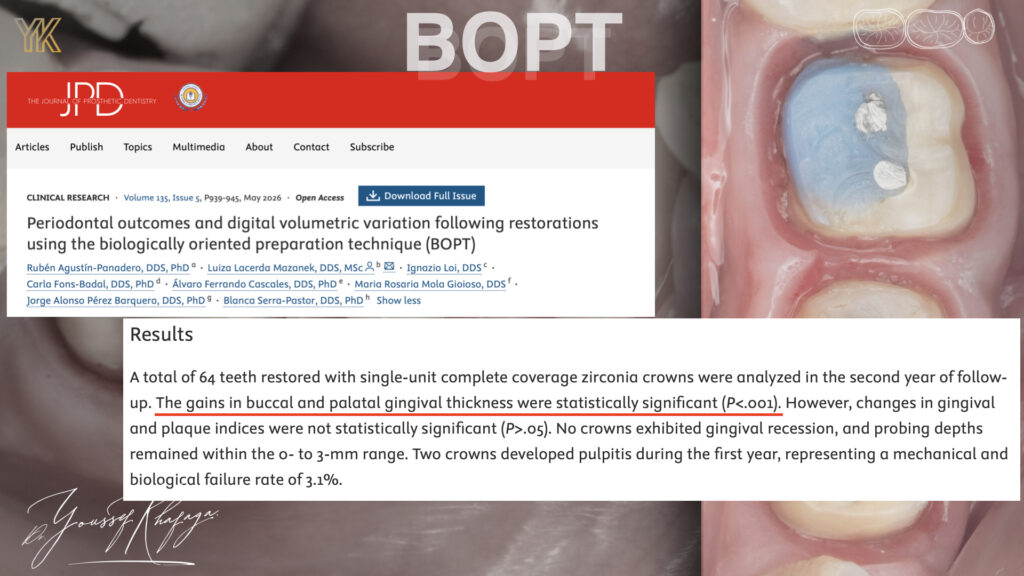
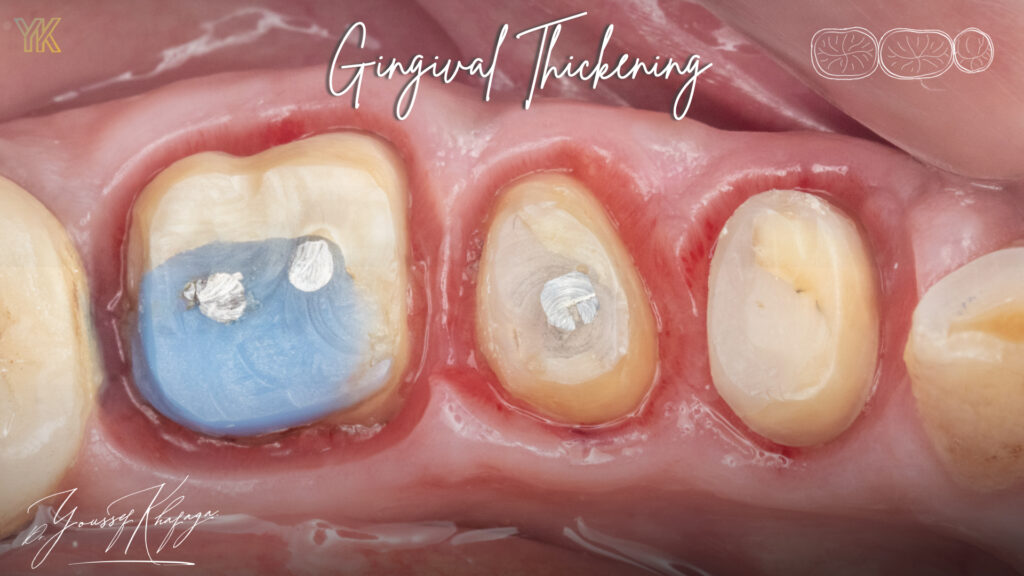
After 90 days of temporary cementation, the gingival tissue showed full tissue maturation and an amazing gingival thickening around the crowns
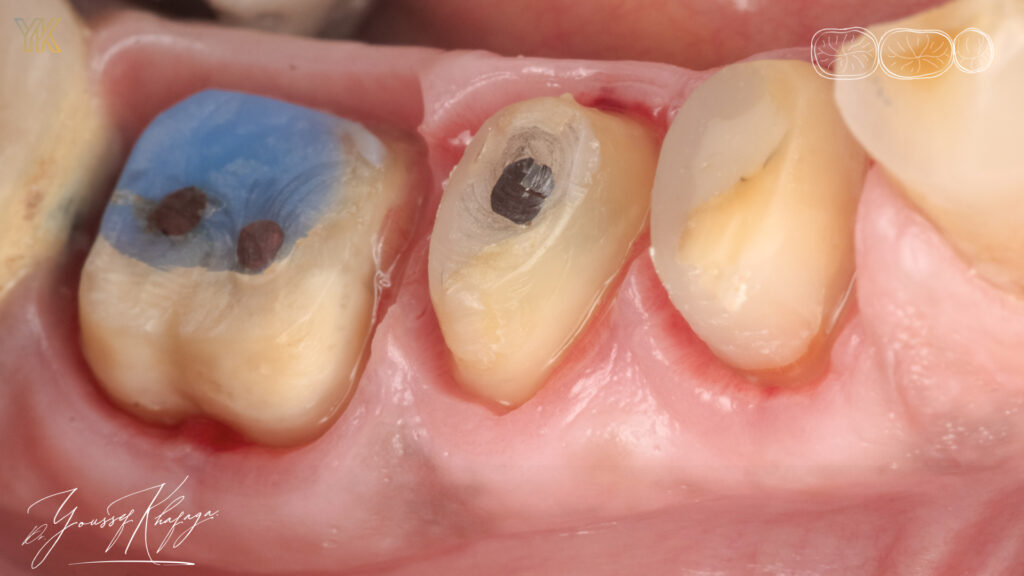
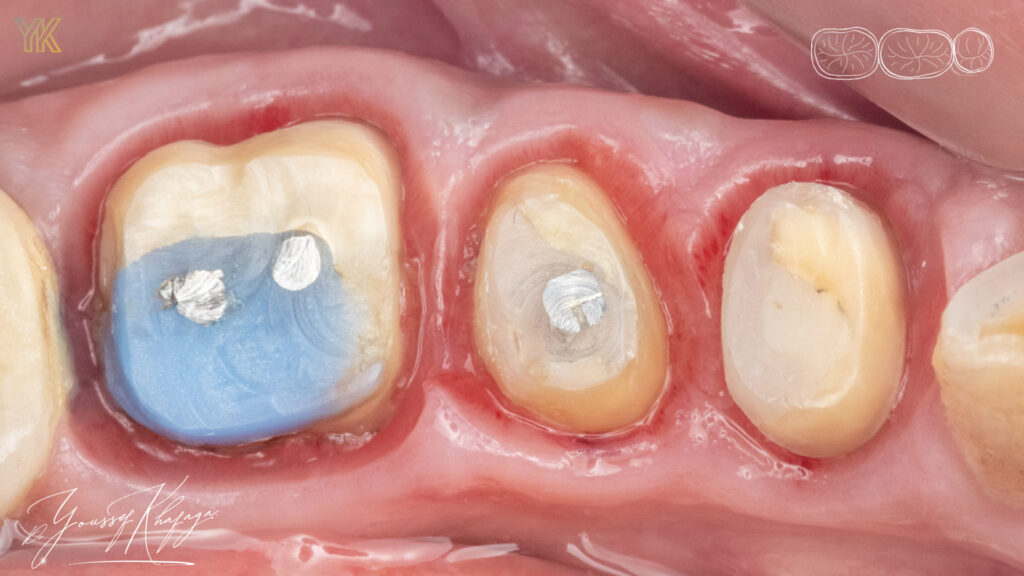
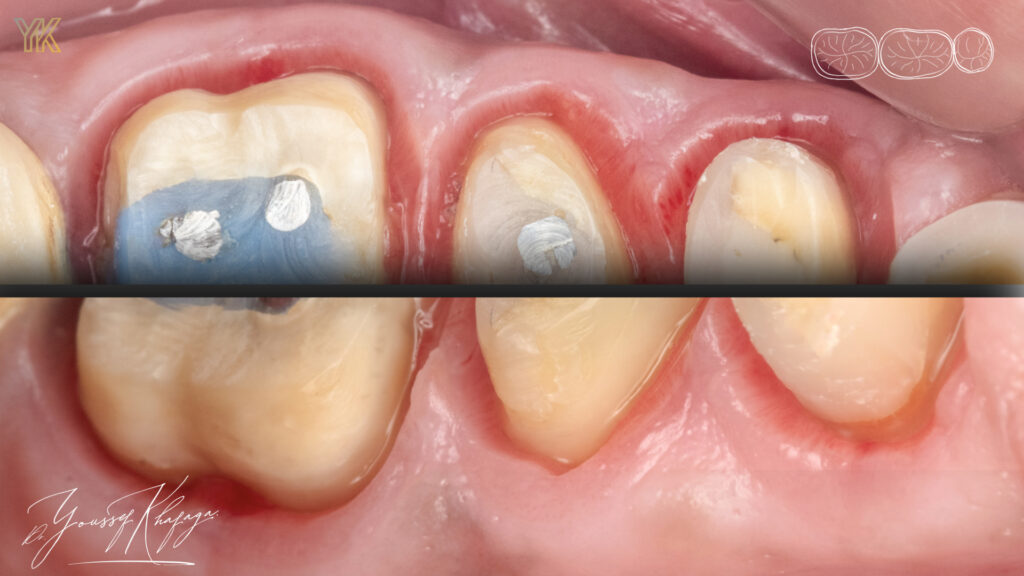
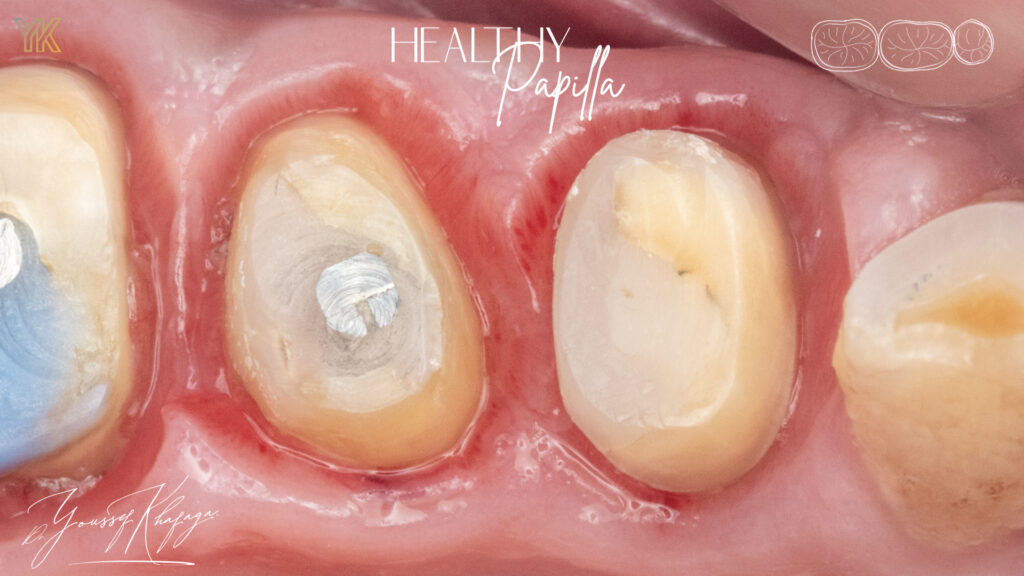
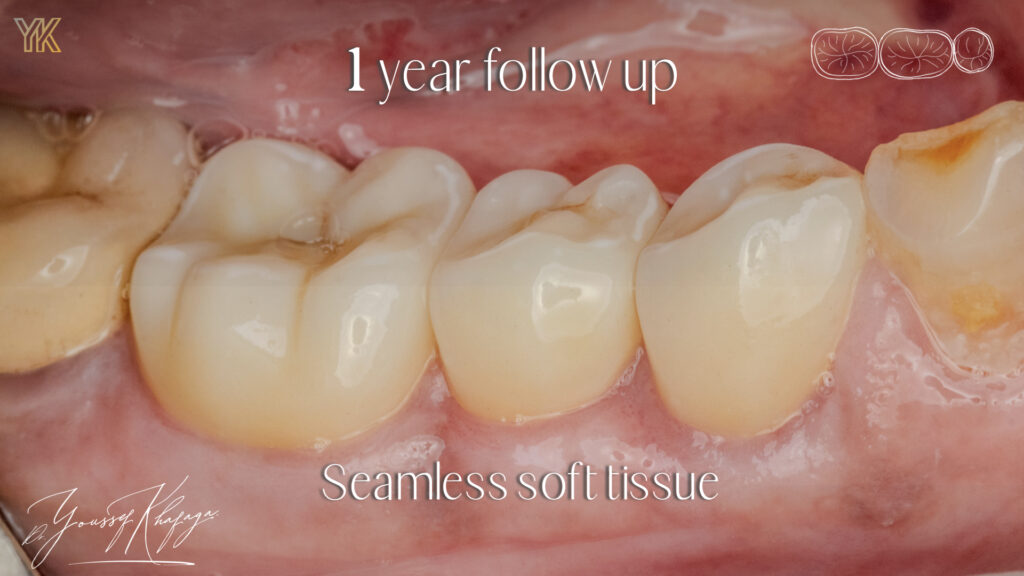
1 year and 3 months after the first day of delivery and the permanent cementation of the crowns.
Great tissue stability and zero recessions
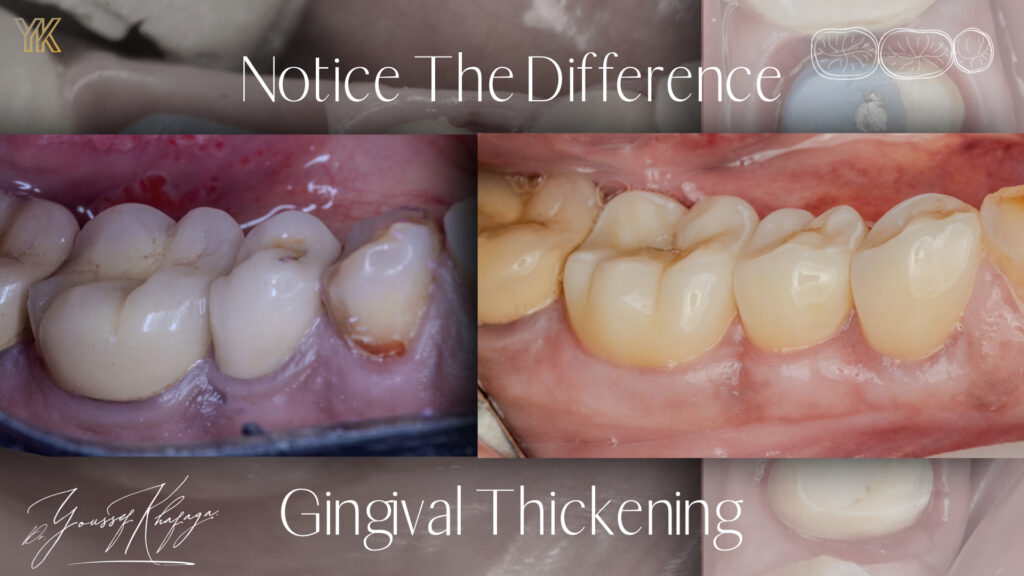
Share on:
