QUADRANT REHABILITATION | CRACK MANAGEMENT
A comprehensive approach to quadrant rehabilitation goes far beyond restoring individual teeth.
When cracks are present, the diagnosis, crack management strategy, occlusal considerations, isolation, adhesive protocols, and restoration design must all work together to protect the remaining tooth structure and restore function.
This case reflects a biomimetic, minimally invasive philosophy preserving sound tooth structure whenever possible while managing cracks through a structured restorative approach rather than simply treating the visible defect.
Every step matters:
• Diagnosis & crack assessment
• Structural risk analysis
• Pulpal and periodontal evaluation
• Cuspal protection when indicated
• Adhesive dentistry & immediate dentin sealing
• Functional and occlusal considerations
• Long-term restorative planning
The goal is not simply to restore the tooth.
The goal is to restore the tooth while respecting its biology, biomechanics, and remaining structure.
A special thank you to my mentor and professor, Prof. David Alleman, whose work and philosophy in biomimetic restorative dentistry have profoundly influenced the way I approach cracked teeth and complex rehabilitation.
Preserve. Reinforce. Restore.
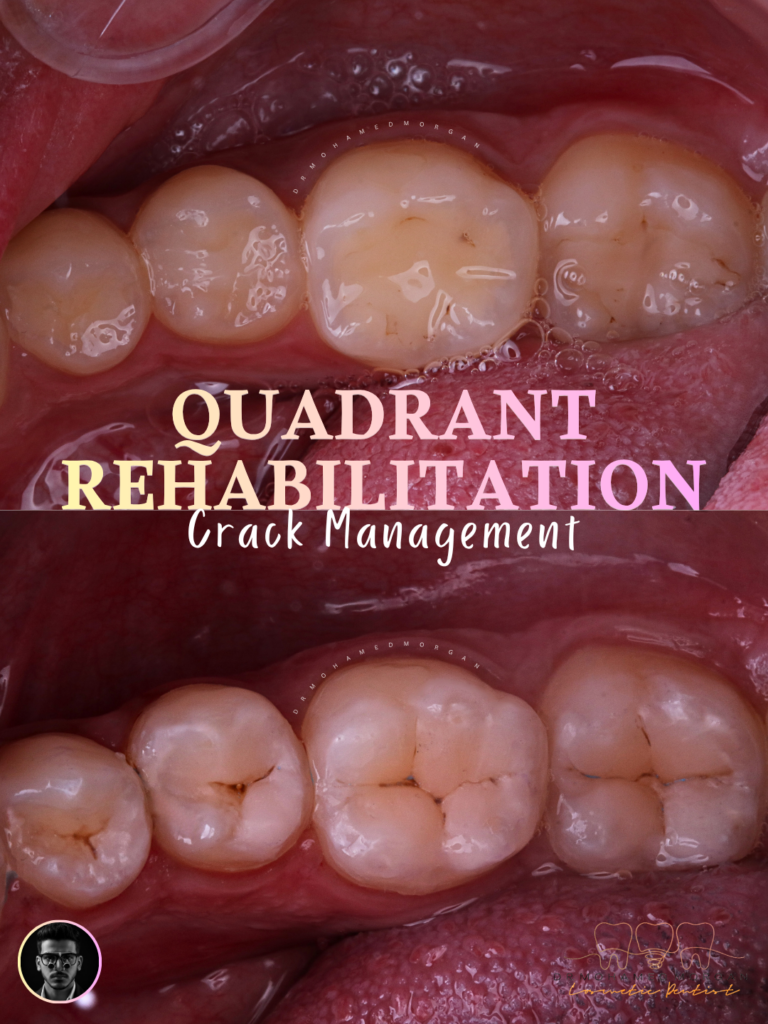
Quadrant Rehabilitation
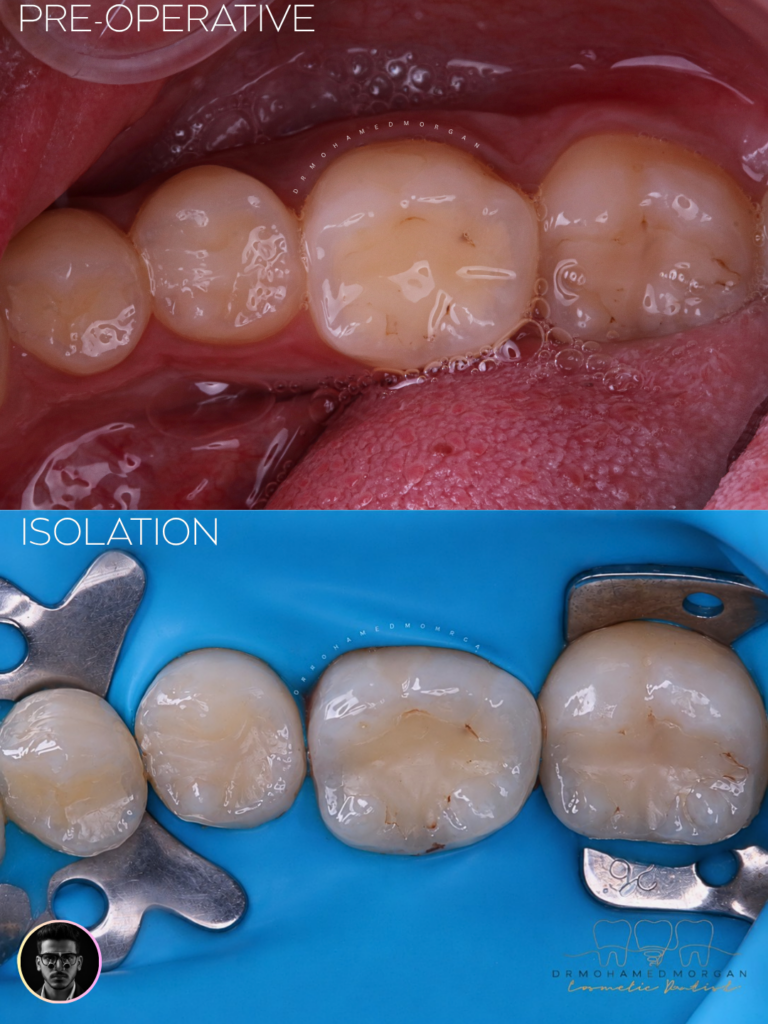
Isolation
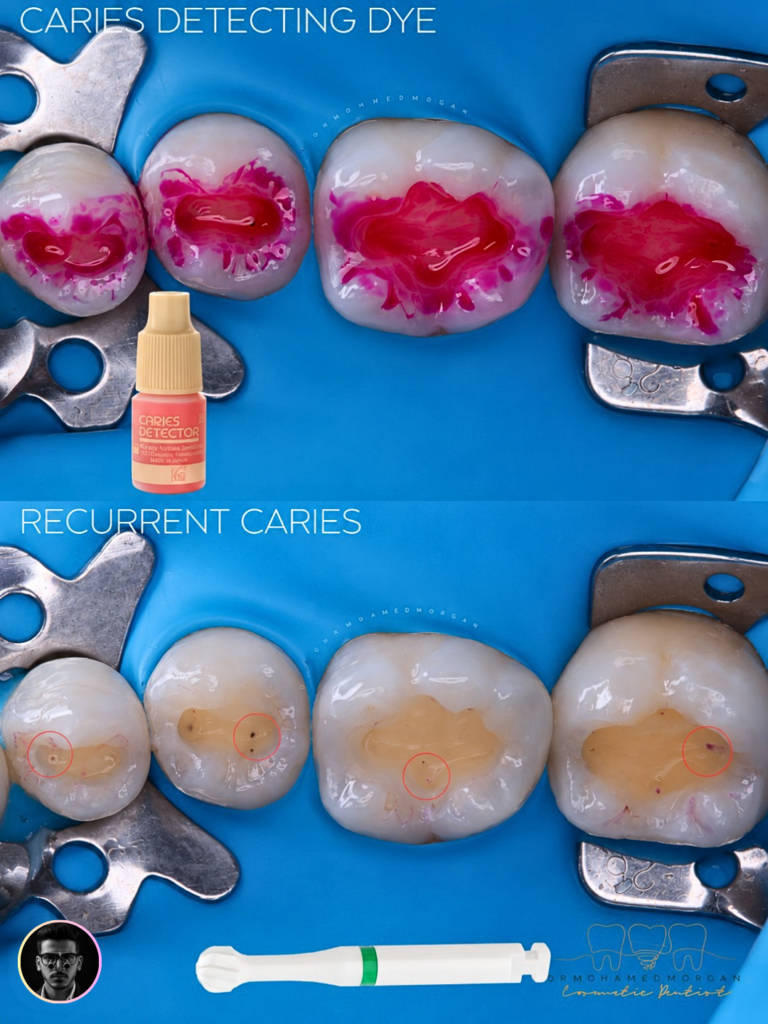
Dye Application & Caries Removal
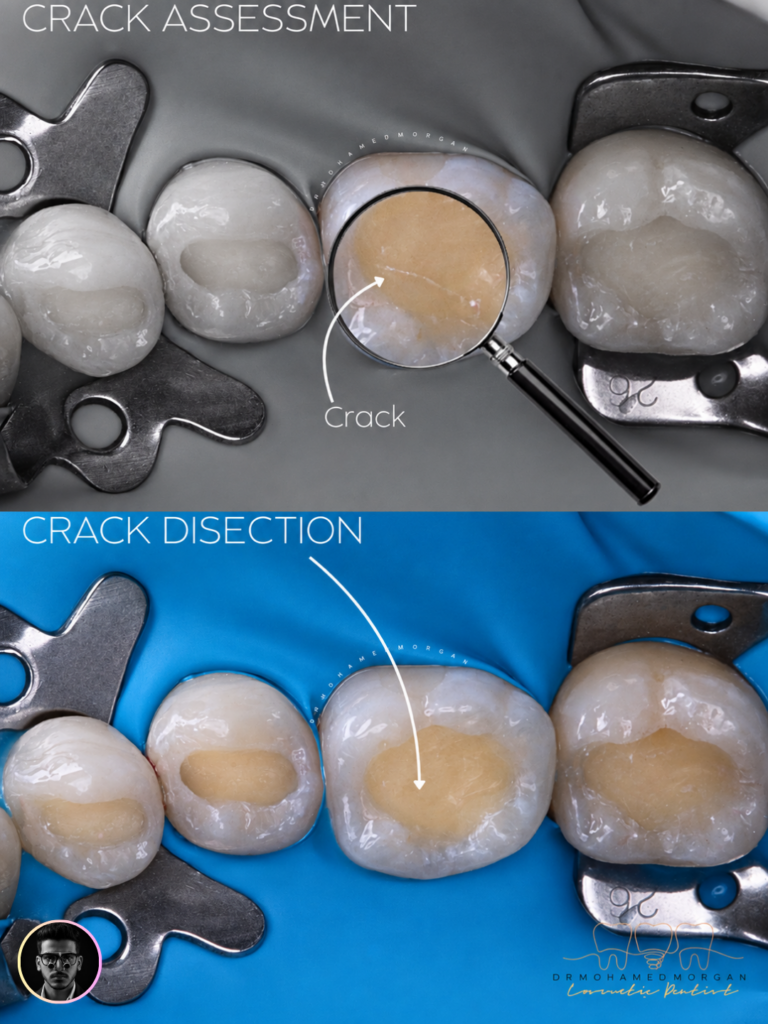
Crack Analysis
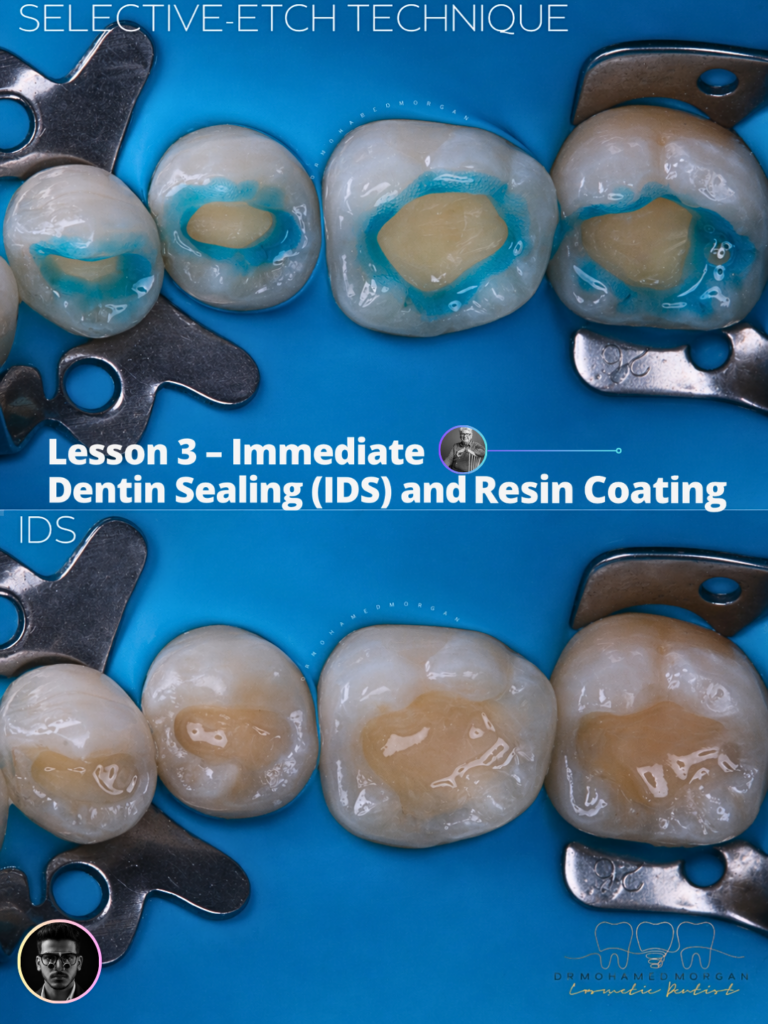
Selective-Acid Etch
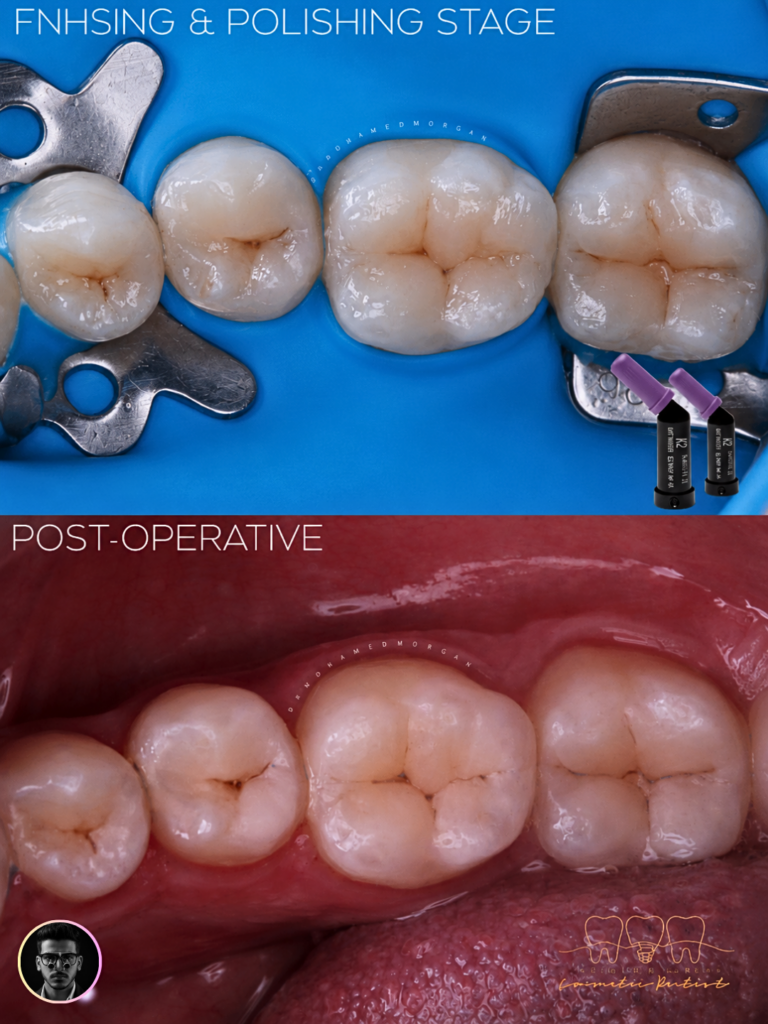
Finishing & Polishing
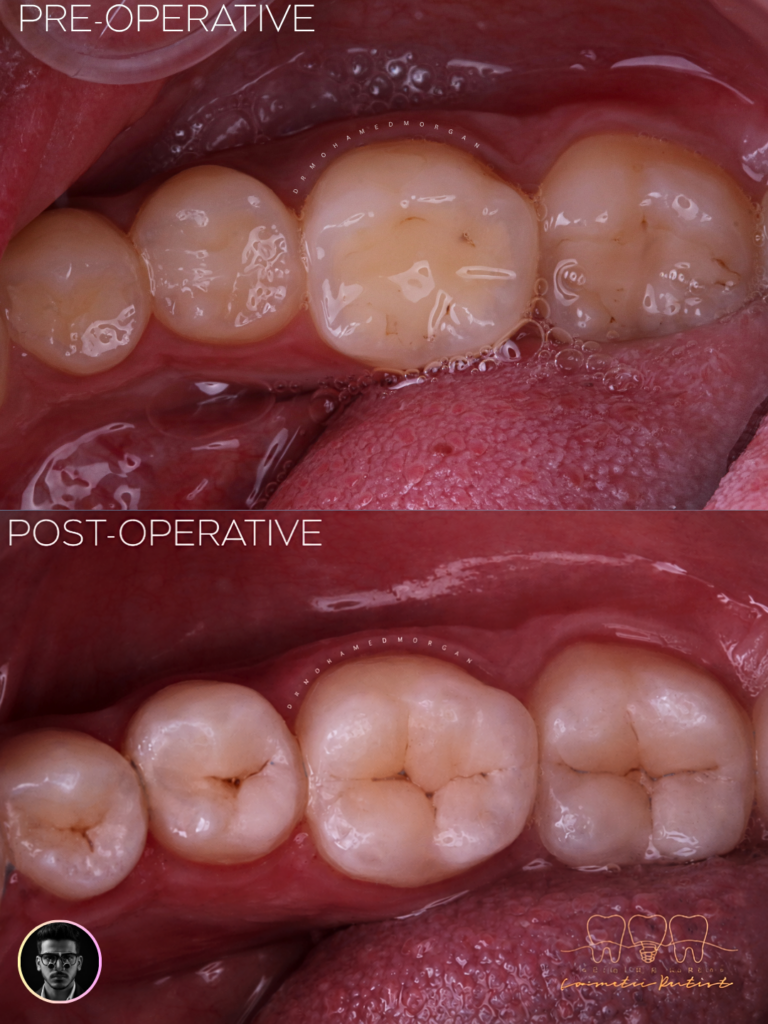
Before & After
Share on:
